
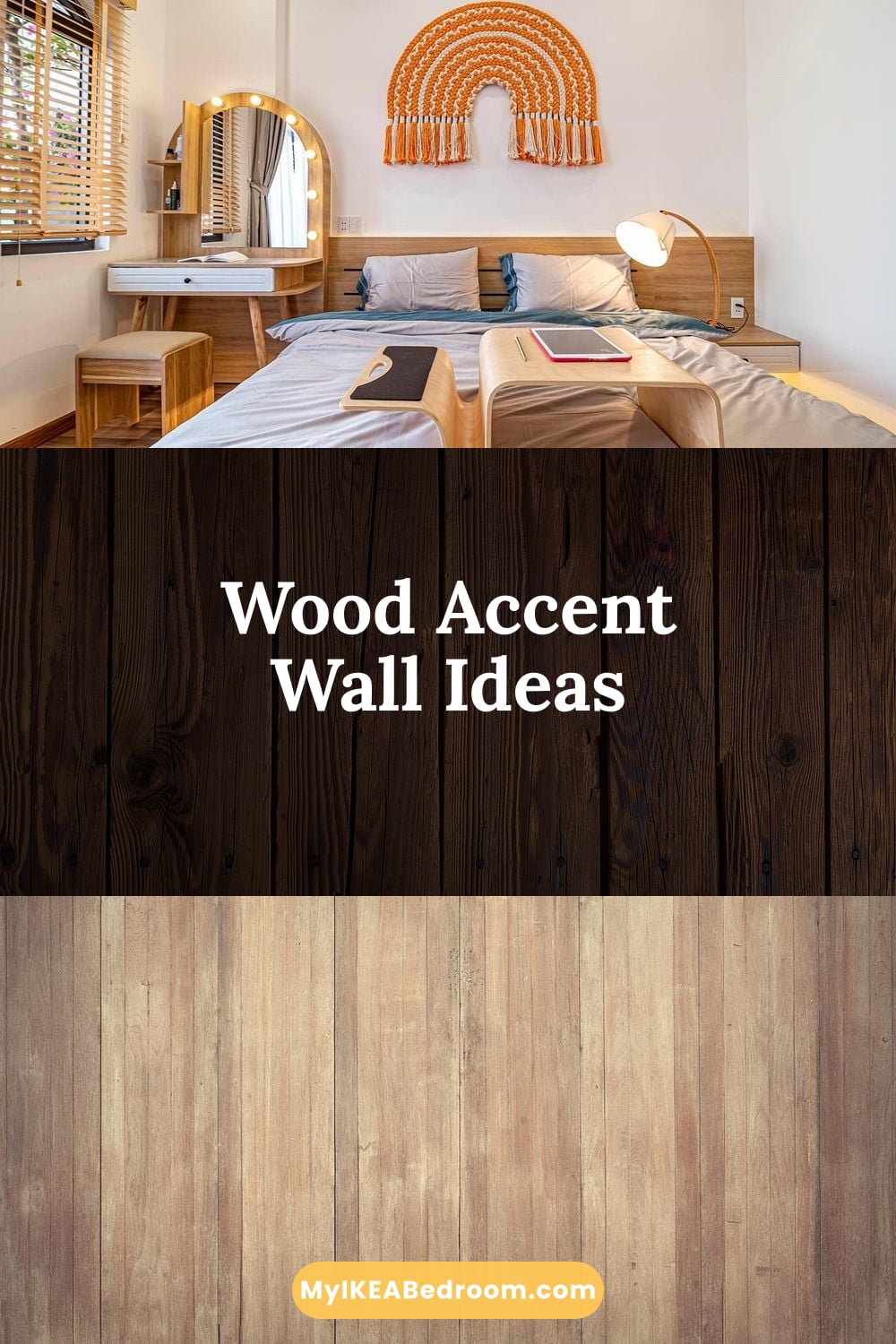
A wood accent wall can transform a plain room into a room with real character. Wood accent walls adds warmth to a room and they add texture to a space. In addition to these benefits, wood accent walls allow craftsmanship into a space.
For homeowners who owns moddern apartments or older homes with dated finishes, accent walls made of wood offer a way to add depth to a room without having to perform a major renovation on a home. Furthermore, accent walls made of wood come in different styles and each style can be used for different benefits within a home. The various styles of wood accent walls include vertical planks, horizontal planks, reclaimed wood, shiplap, geometric wood patterns, plywood with exposed edges, live-edge slabs, wooden shingles, multiple wood tones, bamboo, and more.
Each of these wooden styles can serve a specific use in a home decor project.
Beautiful Styles of Wood Accent Walls
1. Vertical Planks
If vertical planks of wood transform a room, those vertical boards can help make a ceiling within that room feel taller. Using vertical planks from floor to ceiling, homeowners will not only create the illusion of height in a room, but such an installation will also highlight the height of any eight-foot ceiling within a space.
If oak is the chosen wood species for the vertical planks, the grain within the wood will be visible even from further distances within the home. Oak can be stained to emphasize the features that is desired in a room. For example, staining the wood a lighter color will make the room feel more airy, while staining the wood a darker color will create a sense of drama within a specific space.
Furthermore, vertical plank installations makes it easier to hide dust on a wall. However, vertical plank installations require the wood to be cut to specifically account for any outlets or switches within a ceiling.
2. Horizontal Planks
Horizontal plank installations will provide a different energy to the same room as vertical plank installations.
Horizontal planks allow homeowners to mimic the look of wainscoting but on a much larger scale within the room. Furthermore, cedar is a great species of wood to use for horizontal planks because cedar naturaly resist warping within humid areas of the home. These areas may include the bathroom or the kitchen.
Furthermore, cedar naturally ages to a warm reddish tone that adds interest to the room. The shadows created by horizontal planks will change with the movement of the suns light throughout the day. This wooden style works best within rooms with mid-century modern furniture in the room.
3. Reclaimed Wood
Installing reclaimed wood provides a sense of history to a room. The reclaimed wood features marks from reclaimed homes such as nail holes in the wood, saw kerfs, or a gray patina that develops from exposure to the elements over time. Using reclaimed pine or reclaimed chestnut will create an instant focal point in the room.
The inconsistency in the color of the reclaimed wood and the inconsistency in the texture of each board is part of the appeal of using reclaimed wood in accent walls. One plank may feature deep blue paint remnants while another is bleached from exposure to the sun over many years. This reclaimed wood comes at a cost since reclaimed wood cost more money than wood harvested from new lumber mills.
Furthermore, reclaimed wood features more work when installing the wood since the reclaimed wood may require more detailed cleaning before installation in a home.
4. Shiplap
Shiplap is a popular style for accent walls for a variety of reasons. One of the main reasons people opt for shiplap is the shadows that are created between the planks of wood.
Using shiplap and painting it white will allow the wood to add architectural interest to the room and it will allow the room to remain bright. An alternative color choice for shiplap would be a light whitewash that allows the wood grain to show through while still reflecting the light into the room. The tongue-and-groove edges of the plank allow even DIYers to complete these installations.
However, shiplap installations should be avoided for areas of the home that experience extreme temperature change because the wood will expand and contract over time which can cause the shiplap to pop at the nails that secure the planks to the wall.
5. Geometric Wood Patterns
Geometric patterns of wood create accent walls that are modern in their appearance. Cutting wood planks into specific geometric shapes such as triangles, hexagons, chevrons, or rectangles of varying size can help to create an accent wall that features wood art.
Walnut is a great species for accents because the dark color of the walnut will contrast well with the color of the wall behind the accent wall. While the installation of geometric accent walls demands planning and precision in cutting the planks of wood, such geometric installations work best for smaller walls within a home. Installing such a large wooden accent pattern in a large area of a room may be visually busy unless the furniture in the room is minimal.
6. Plywood with Exposed Edges
Another type of wooden accent wall features plywood with exposed edges. Using plywood planks and exposing the layers within the plywood will allow the wood to exhibit some of its features. Baltic birch plywood is a popular choice because the layers of Baltic birch are even and free of any voids within the plank.
Furthermore, sanding the edges of the plywood to make them smooth and applying a clear finish to the plywood will enhance the visibility of the concentric ring within the wood. These accent walls made with plywood may be better suited for areas of the home such as home offices or reading nooks. Plywood costs less money than solid hardwood planks of wood.
7. Live-edge Slabs
Installing live-edge slabs of wood vertically can transform a single room in the house. Using a wide plank of wood species such as elm or black walnut that features the natural wavy edge of the tree can create an installation that is instantly a focal point in the featured room. Because each plank of live-edge wood is unique, no two installations will feature the same wood.
Installing live-edge slabs into a room will create interesting shadows when lit from above or from the side of the wall. Furthermore, ensuring that the slab is wide enough for the defined wall prevents the loss of the unique features of the wood.
8. Wooden Shingles
Wood shingles in an accent wall that mimic the features of wooden shingles installed on homes create a sense of comfort in a home. Cedar shingles naturally weather to silver-gray tones that work well with linen fabrics and seagrass rugs in a room. These wooden shingles requires patience in their installation since each plank must be placed into the room individually. While manufactured wooden shingle panels may work well for accent walls, they wont have the same quality and beauty as wooden shingles placed into a room one by one.
Such wooden shingle accent walls work well in entryways or in areas that contain fireplaces in the home.
9. Multiple Wood Tones
While it may seem risky to incorporate different tones of wood into an accent wall, using multiple wood tones in an accent wall can create visual interest in a space. For example, using planks of white oak, cherry strips, and ebony inlays can create an accent wall that features wood tones in a pattern.
Furthermore, incorporating these wooden accents into a room that receives plenty of natural light will allow for each species of wood to exhibit its true character. Because the various textures of the woods will naturally absorb sound within a room, accent walls that contain various wood species will improve the acoustics of a space. Such accent walls may be best attempted in one area of the room when first beginning to install wooden accents into the home.
10. Bamboo
Another alternative to accent walls is the use of bamboo. Bamboo features a vertical grain that allows for clean and linear designs in accent walls. Such designs work well in Asian-inspired homes and Scandinavian homes.
Furthermore, bamboo features fast growth which allows for the wood to sequester carbon dioxide from the air at a fast rate. This benefit of bamboo may be desired by some homeowners today. Furthermore, since bamboo features natural resistance to moisture, bamboo is suitable for installation in areas of the home such as the bathroom.
The pale honey tones of bamboo will reflect the light within the room which can help it to appear larger. However, since bamboo dents more easily than species like oak, installing bamboo into accent walls may not be suitable for all homeowners, particularly those with young children or energetic pets. Regardless of the type of accent wall that is installed into the home, each type of wooden accent wall will serve to ground the area of the home in which it is installed.
Furthermore, wooden accent walls will age and develop a patina over time just as the rest of the furnitures in the room will. Finally, accent walls made of wood will tell the stories of the homeowners who live in the space. Once homeowners choose the right type of accent wall for a feature in a home, that accent wall will cease to be a simple decoration in the room, but it will become the soul of the room.
When homeowners stop fighting the features of the wood species and begin to highlight the features of that species, the magic of wooden accent walls will be realized in the home. The walls and the individuals who enter the homes will thank the homeowners for incorporating wooden accent walls into their homes.
