
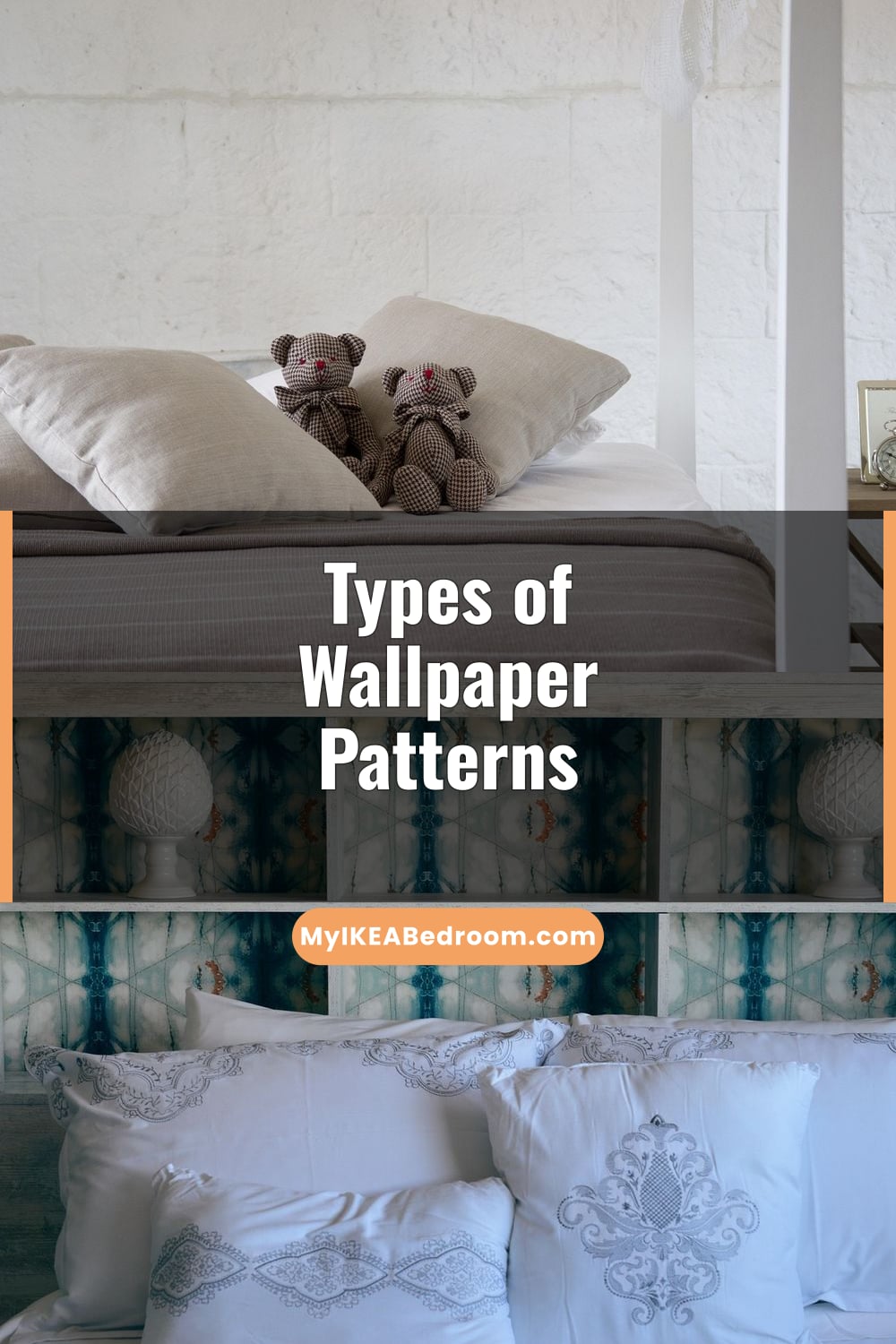
Wallpaper has the power to transform a room, but the type of transformation that occurs is often subtle such that a person do not notice how the room has been transformed. When a person enters a given room, it may feel as if the space is collected, that it is full of energy, or that it is a calming space. Each of these different feelings has a potential cause…
The wallpaper that cover the walls of that room. Wallpaper patterns can be chosen according to how a person’s eyes moves throughout a given space. If a person chooses the correct wallpaper pattern, the room will feel as if it was designed for that individual.
However, if the individual makes the wrong choice in wallpaper pattern, that person will begin to notice every single repeat of that wallpaper in the room that they inhabit. Wallpaper patterns has existed for many centuries. Some of the most historical of these patterns include hand-blocked floral patterns that were used in European manor houses, and the machine-printed geometric designs that were used in mid-century apartment buildings.
Despite the ages of these different categories of wallpaper patterns, each of these categories still tend to work well within moddern homes. Each of these categories of wallpaper patterns works to solve certain problems that may otherwise exist within the room in which they are deployed. For instance, wallpaper can work to hide imperfect walls, provide visual interest to quiet spaces within the home, or bring a bold color to a space that already features a bold color.
Popular Types Of Wallpaper Patterns To Choose
1. Damask Wallpaper Patterns
Damask wallpaper patterns are types of wallpaper designs that tend to stop most individuals when they encounter them. Damask patterns are typically ornate and symmetrical designs that feature a certain motif in the center of each pattern that mirrors itself throughout the wallpaper. These types of wallpaper patterns typically feature designs of vines or flourishes that continue throughout each sheet of wallpaper.
Damask patterns gets their start with the luxurius silk fabrics that were produced in Damascus. These types of patterns convey a sense of formality, especially when deployed in a room that is intended for formal events or activities. These types of patterns usually require that a person’s walls be at least eight feet in height, as the large size of the pattern can overwhelm smaller walls.
2. Geometric Wallpaper Patterns
No other type of wallpaper pattern creates the same sense of quiet opulence in a room. Geometric wallpaper patterns feature designs that include large amounts of geometric shapes, such as chevrons, hexagons, and grids. These types of wallpaper patterns were among the most popular in both the Art Deco period of the 1920s and 1930s, and also became another of the most popular wallpaper design choices throughout the 1970s. Geometric patterns have returned to popularity within the past few years as minimalism has become tiresome of the blank walls that many people have begun to decorate with wallpaper.
Geometric wallpapers have the potential to trick the eye; a narrow stripe can make an individual feel as if their ceiling is higher in comparison to the actual height of the ceiling, and a large hexagonal shape can become the focal point of an otherwise featureless area in a room. Geometric patterns work especially well in kitchens and bathrooms that may not wish to feature certain decorative objects in those areas. The only downside to geometric wallpaper choices is that any misalignment in the wallpaper during the installation process will be immediately apparent.
3. Floral Wallpaper Patterns
Floral wallpaper patterns have once again become some of the most popular choices in wallpaper design. However, the floral wallpaper patterns that are chosen today are not those of the chintzy, cabbage rose designs that were once favored by various grandmothers and women of the house. The modern floral wallpaper patterns include either massive blooms of flowers that take up the majority of each sheet of wallpaper and include features of negative space in the design, or the floral patterns may be dense with color and exhibit a pattern that appears to be texture from a distance.
The floral wallpaper patterns have the potential to soften the architectural details of a room that may otherwise become unpleasant to view. For instance, floral wallpaper may be chosen for a bedroom that features modern architectural designs that may otherwise be too bold for the bedroom. However, care should of been taken with the size of the flowers in the design in comparison to the size of the furniture in the same room.
Any discrepancy in scale between the wallpaper and the rooms size may create feelings of discomfort within those who decorate the room.
4. Toile de Jouy Wallpaper Patterns
Toile de Jouy wallpaper patterns were some of the first types of wallpaper designs to be developed. When these types of patterns were first created, they were printed in only a single color on a light-colored background.
Toile de Jouy wallpaper designs typically include scenes from 18th-century France or similar regions within Europe. For example, one toile de Jouy pattern may include scenes of riders on horseback that are hunting for a stag. Because of the complexity of these wallpaper designs, toile de Jouy wallpaper is best used within small areas of the home, such as the powder room or a reading nook in the living room.
Modern toile de Jouy designs have expanded to include other colors in the wallpaper designs, as well as different types of scenes, such as city skylines or individuals surfing on the oceans waters. Despite the variety in toile de Jouy wallpaper designs, all feature the same level of sophistication and wit that few other wallpaper design choices can feature. However, patterns that are relatively busy may be too much for small areas in the home.
5. Striped Wallpaper Patterns
Stripes might be the most useful of all the wallpaper patterns that have ever been created. Vertical stripes have the potential to make ceilings in a room appear taller in comparison to the actual height of those ceilings. Horizontal stripes have the potential to make narrow hallways in a home feel as if they are wider in relation to the actual width of those hallways.
Pinstripes can be a calming wallpaper choice for areas of the home that are to be used for relaxing, while awning stripes may be selected for sunrooms or other areas that are to be used for social activities or that may receive the most sunlight in the home. Beyond these benefits of wallpaper striping, interior designers often use wallpaper striping to even correct the visual proportions of rooms in which the wallpaper is installed. Additionally, many people are unaware of the importance of color contrast within stripes designs; high-contrast colors will create an energetic atmosphere in any room in which they are deployed, while tonal colors will only create a subtle texture to that room.
Finally, wallpaper stripes work exceptionally well in conjunction with other types of wallpaper designs, which is perhaps one of the reasons that stripes are one of the most common wallpaper choices for home decor.
6. Ikat Wallpaper Patterns
Ikat wallpaper patterns has the ability to create a sense of handcrafted designs on wallpaper, even if those wallpapers are printed by machines. The blurred edges that are characteristic of ikat patterns were used on textiles from regions such as Central Asia and Indonesia.
Within the home, ikat wallpaper patterns may include soft diamond shapes or teardrop shapes that are repeated throughout each sheet of wallpaper. Ikat patterns may be used within any area of the home that may contain a variety of different types of furnitures from different periods; the soft edges of the ikat wallpaper will avoid making the wallpaper within that home too rigid. However, care should be taken when choosing wallpaper with small ikat designs, as those types of wallpapers may begin to create a moire effect within the room when exposed to certain types of lighting.
7. Chinoiserie Wallpaper Designs
Chinoiserie wallpaper designs may leave a person feeling as if they are within an elegant 18th-century salon. These types of wallpapers often include designs of Asian elements, such as pagodas, floral branches, birds, and scenes from the life of Asia in its idealized form. Chinoiserie was inspired by both Chinese lacquerware and porcelain products, and European artists developed them that wished to depict these Asian products in their art.
Within the home, these types of wallpaper designs may be chosen for bedrooms or dining rooms. These patterns may leave a person feeling as if they are within an exotic part of the world while entertaining guests in their homes. However, care should be taken when choosing these types of wallpapers for a home, as the designs can become too busy for certain areas of a home.
For this reason, chinoiserie wallpaper designs work best in conjunction with simple furnishings and textiles.
8. Abstract Wallpaper Designs
Abstract wallpaper designs do not have a specific, fixed form; which is perhaps one of the reasons that abstract wallpaper designs have endured as one of the most popular choices throughout time. Abstract wallpaper designs may include elements that suggest flowers, watercolors, or even energy.
However, abstract designs do not include any elements that will become a recognizable object within the room. Abstract wallpaper patterns may be of particular interest for those who own a contemporary home, as many of the traditional wallpaper choices may not be appropriate in such a space. The advantage of abstract wallpaper choices is that any installation errors will not be nearly as apparent as they would be in a geometric design.
The only risk in applying abstract wallpaper is that the individual may choose a design that is too trendy for their space. In such cases, individuals will begin to tire of the wallpaper in a short period of time. Abstract wallpaper designs should feature good bone structure; one that will last for years and not become dated within a few years of decoration of the space.
9. Trompe l’oeil Wallpaper Designs
Trompe l’oeil wallpaper designs are the magicians of the wallpaper design world. Trompe l’oeil designs include elements that create a three-dimensional optical illusion for the viewer. For instance, trompe l’oeil wallpaper might include designs of bookshelves, stone blocks, or even trellises with roses that appear to grow out of the wallpaper when viewed from the room.
Trompe l’oeil designs may be included within an accent wall or within a cabinet for the homes kitchen or dining area. For instance, a bookshelf might be deployed in a library that is small in size, as it will make the area feel as if it is twice as tall. However, the same trompe l’oeil design within a large living area may appear as if it is gimmicky for that area of the home.
Additionally, care should be taken in installing trompe l’oeil designs into the walls of a room; any installation errors will immediately destroy the illusion of three-dimensional objects on the wallpaper.
10. Brocade Wallpaper Patterns
Brocade wallpaper patterns include designs that are similar to the heavy fabrics that were used within the homes of the past for drapery or upholstery. Brocade patterns may include metallic elements to the wallpaper that provide the appearance of three-dimensional fabrics, or the brocade may include subtle textures to the pattern.
These types of wallpaper patterns may be used within both traditional and more contemporary homes; the metallic elements will prevent the room from feeling flat in comparison to homes that may feature north-facing rooms that do not receive much natural light within those homes. Those who would like to create the feeling of enveloping the room in which the wallpaper is installed may select brocade wallpaper designs. However, care should be taken in decorating high traffic areas of the home with brocade wallpaper patterns; the three-dimensional texture may become challenging to clean up if the area is frequently used by the inhabitants of the room.
The right wallpaper pattern will accomplish more than simply decorate a room. The right wallpaper pattern for any area in the home will set the tempo for how individuals experience the rooms. Some wallpaper patterns may feature designs that create a sense of energy within those who enter a room, while other designs may create a calming effect on those who visit the rooms.
Finally, some of the best wallpaper designs may include features that create a sense of happiness and joy in those who decorate the rooms with that type of wallpaper. For these reasons, if an individual enters any room that feels as if it is the right wallpaper design for that room, they will find that the wallpaper was completing the room in ways that the inhabitants of the room did not even know that it was. The pattern was the quiet conversation that the room had with itself.
