
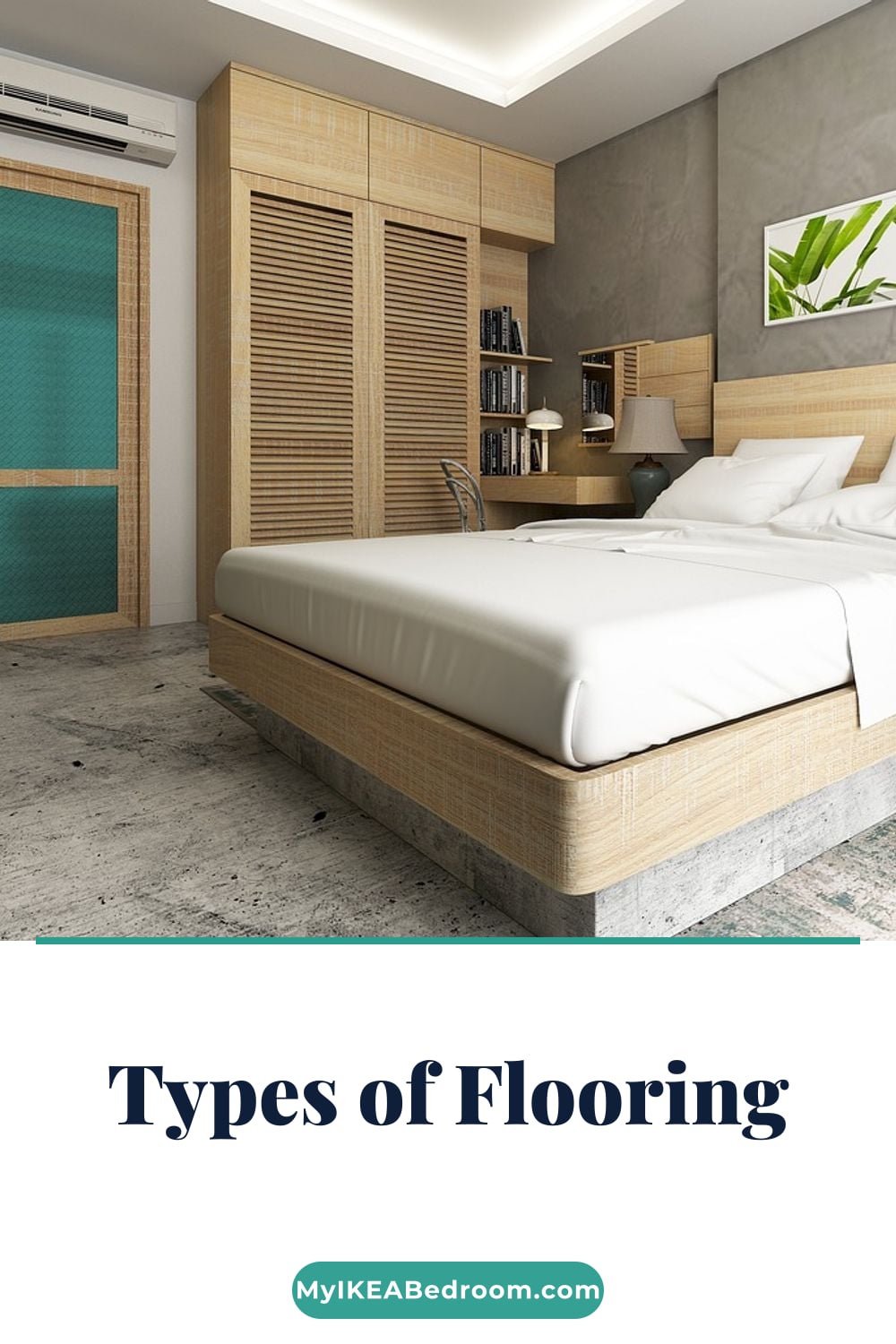
Choosing the correct flooring for your home can change how a room feel, and choosing the correct flooring for your home can change how a room sounds, and choosing the correct flooring for your home can even change how much time you spend on maintenance. When you walk on a tile floor in the winter, you will understand why people considers flooring for a room to be so important. If you choose a flooring option that is far too delicate for your household, you will end up regretting your decision every time one of your children knocks something heavy on the floor.
Floorings is one of the most important decisions that you will make for your home, and it is also one of the least likely to change over time. When buying a home for the first time, it is important to understand that different flooring materials will behave differently underfoot. The behavior of flooring materials will also differ in the presence of light within the room, and some flooring materials will wear differently over time than other.
Popular Types of Flooring for Your Home
1. Hardwood Flooring
Hardwood flooring continues to be considered the gold standard in the flooring industry for good reasons. Floors made of hardwood are made from real trees, usually oak, maple, or walnut trees. The floorboards will never lose there natural look, and if there are scratches on the hardwood floor, you can sand them down to even out the floor.
Because hardwood floors can take abuse and come back from it, hardwood floors will outlive your mortgage. Because hardwood flooring holds its value, you will have to pay more money upfront, but over time, you will recoup some of your investment when others are willing to pay a premium price for hardwood flooring with rich grain patterns that develops a patina over time.
2. Engineered Hardwood Flooring
Engineered hardwood flooring sits just below hardwood flooring in terms of popularity due to cost and durability.
Engineered hardwood flooring includes a veneer of real wood that is laminated to several layer of plywood. These layers of plywood allow engineered hardwood to expand and contract according to the humidity of the area in which the floors are placed. This allows it to be installed in areas with high humidity, such as basements.
Furthermore, you can refinish the top layer of engineered hardwood floors a few times when the wood begins to wear. For regions with humid climates, engineered hardwood flooring is the preferred option. If the engineered hardwood floors wear down past the veneer of real wood, the engineered hardwood floor will be done for good.
3. Laminate Flooring
Moddern laminate flooring products contain photographic images of wood tiles that are printed on a composite floorboard and coated in melamine, a material that is resistant to stains and spill. The planks of laminate flooring will click together without the use of glue, and laminate flooring can mimic the look of many different flooring materials. The installation of laminate flooring is relatively quick, and even a weekend warrior can complete the installation process.
Laminate flooring does not expand or contract as much as hardwood floors, so laminate flooring can be installed from one room to the next without needing to buy transition for the floor. Laminate flooring will never develop the same depth as hardwood floors, but laminate flooring is ideal for rentals and homes with young children who will leave behind spills and marks on the floor.
4. Ceramic and Porcelain Tiles
Ceramic and porcelain tiles is considered to be some of the most durable flooring in the market.
These types of flooring are fired at extremely high temperatures, and porcelain tiles absorb almost no water. Porcelain floor tiles are ideal for bathrooms, kitchens, and entryways due to the high amount of moisture that will be in these areas. Porcelain can be ordered in any finish, from matte to glossy, which makes it ideal for small rooms.
Porcelain tiles have recently developed into large dimension, with some measuring three feet by five feet. These large tiles are perfect for covering an area of a home that is already relatively small. The hard flooring will create loud sounds when walked upon, so you will have to layer rugs in any areas where individuals stand for long periods of time.
Furthermore, ceramic and porcelain tiles will require periodic sealing of the grout lines in order to maintain the longevity of the flooring.
5. Natural Stone Floors
Natural stone floors include materials such such as slate, marble, and travertine. Each floor is comprised of stones of different minerals, giving each tile an individual look.
Natural stone floors will hold up well over time. Marble floors are popular in homes with entryways and bathrooms. The stones of a marble floor will etch if acidic liquids are placed upon the floor.
Slate floors have a relatively rough texture, and the roughness of the stone allows it to grip to the floor when wet; for this reason, it is a flooring option for pools. Furthermore, natural stone materials are quite heavy for flooring; you will have to reinforce the subfloor prior to installing natural stone flooring. With proper care and with the use of the correct natural stone floor sealer, stone floors will become more beautiful over time due to there natural minerals and wear-resistance.
6. Cork Flooring
Cork flooring is made from the bark of cork trees. You can harvest the bark every nine years without causing any harm to the tree. Cork flooring will cushion your footsteps, and it will absorb sound in the room better than any other flooring material.
Furthermore, cork flooring will be cool to the feet in the winter and relatively warm in the summer. This makes it ideal for use in bedrooms and home offices. However, cork flooring will be damaged if exposed to water for long periods of time; it is, therefore, not an ideal floor for bathrooms.
However, moddern cork flooring has developed treatments to reduce the gap between cork and moisture. The color of cork flooring ranges from honey to espresso. Furthermore, cork flooring will compress underfoot, much like a yoga mat.
7. Bamboo
Bamboo is not a tree; it is a grass that grows at an extremely rapid rate, which makes it a relatively sustainable flooring choice. Floorboards made from bamboo have a relatively even grain, and bamboo flooring can be made in strand-woven planks. Someone makes strand-woven bamboo flooring by crushing the bamboo to make it harder than most oak floors.
Therefore, it can stand up to dogs and high-traffic areas in the home. However, the flooring will dent if heavy items, such as a piano leg, are placed upon it. Furthermore, the natural tone of bamboo reflects alot of light in the room, which can help to ensure that the rooms do not experience high cooling costs in sunny climates during the summer.
8. Vinyl Plank Flooring
Vinyl plank flooring is a relatively new flooring option, but one of the most popular due to its variety of features. Luxury vinyl plank flooring includes a realistic photo layer of the desired flooring material and a wear coat that can stand up to years of use. The best luxury vinyl plank flooring features a foam underlay to the flooring for added comfort.
Furthermore, luxury vinyl plank flooring will never stain with spills, and it can even be installed in the bathroom and kitchen. The textures of the vinyl plank flooring will fool the casual observer into thinking they are stepping on wood or stone floors. Furthermore, the vinyl plank flooring will stay relatively quiet and warm underfoot when walked upon.
Finally, vinyl plank flooring is ideal for homeowners who are looking for a floor that will stand up to moisture in the home while still looking great in their homes.
9. Concrete
Concrete is a flooring material that was once only present in industrial areas such as lofts and warehouses. However, concrete floors are becoming more popular in moddern homes.
The concrete floor can be dyed, scored, or embedded with aggregates of different materials into the concrete floor. Concrete will never rot, warp, mold, or sustain structural damage in the same way that wood will. Furthermore, concrete holds the temperature of the area well, and if radiant heating is placed beneath the concrete floor, the floor will remain warm underfoot.
Concrete will echo in the room and can feel relatively chilly underfoot, so you will have to place rugs in any areas where individuals will stand for long periods of time. Furthermore, the concrete floors will have to be sealed every few years to protect the floor from staining; however, the maintenance for such an area is relatively low compared to other flooring choices. Each of the flooring choices have their own characteristics, strengths, and limitations.
The floor that you choose for your living room filled with sunlight may turn out disastrous for your muddy entryway. Use the time to walk on the samples of the flooring of your choice in the lighting of the room. Furthermore, wear the shoes that you will wear at home while you examine the comfort of each flooring material.
Think about the room five years from now when the sunlight will fall upon the floor in a different manner; consider these aspects before making your final flooring purchase. If you take a few minutes to make the proper selection for your home, the flooring will continue to remain a silent participant in the function of your home while you barely consider it at all. This is the quiet victory that every great floor will deliver.
