
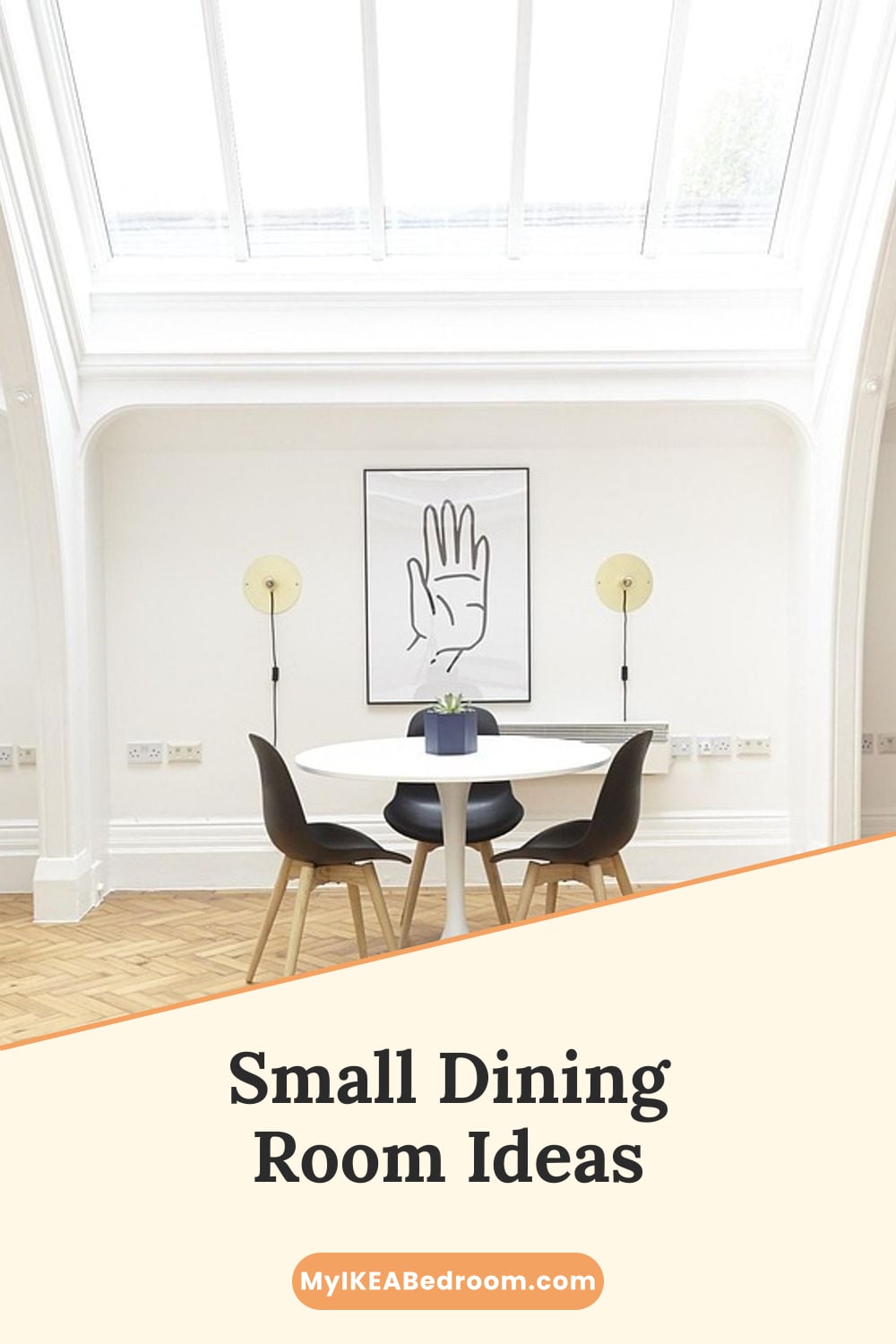
Small dining rooms can present problem for people who desire such a space in their homes. The limited square footage often prevents four chair from fitting in the space without some of the chairs having to touch the walls. However, smart thinking doesnt require the purchase of additional square footage for the dining room.
By changing the way that individuals think about a small dining room, it is possible to transform even the smallest of spaces into the most inviting spot in the entire house. The best way to design a small dining room is to make choice that perform two different functions within the small area. Choices should be made that allow for open sight lines and for individuals to comfortabley move through the space when needed.
All of the design elements within the small dining room have a greater impact upon the space than in rooms with more square footage. Each element of the small dining room will be seen, so you should make choices with this fact in mind. By getting the fundamentals of a small dining room design right, the space can feel cozy and functional without appearing tight or cramped.
Should any of these fundamentals be missed when designing the small dining room, even the most expensive dining room furnitures will look Apoligistically in the room. Ten ideas have been proven to solve common problems in small dining rooms. Each of the solutions use the laws of physics within the small dining room instead of incorporating design trends that may create new problems in the space.
Ten Smart Ideas For Small Dining Rooms
1. Use Mirrors to Reflect Light
Using mirrors within the dining room will reflect the light in such a way that it make the square footage of the dining area appear larger. Placing a large mirror against the longest wall and opposite a window in the room will double the size of the room in the eyes of an entering guest. The reflection of oneself in the mirror will prevent the eyes of guests from contacting the plaster on that wall.
To enhance the dining room, choose a frame for the mirror with a beveled edge and a slim wooden frame stained to the color of the dining room table. Avoid covering entire walls with mirrors, though. A single panel of mirror will work as a design element without looking gimmicky.
2. Choose Round Dining Tables
Round dining tables eliminate the use of corners in the room that eat up the square footage of the area. A 48-inch round pedestal table allows four people to dine at the table. The same 48-inch round pedestal table allows the chairs to tuck under the table when the individuals who used the table are no longer dining.
Additionally, because the round table does not have a head or a foot, all individuals have an even chance of having an engaging conversation. Should the round table need to accommodate six individuals at a time, a leaf can be placed into the round table that transforms the round table into an oval table that allow six people to dine. The curved edges of the round table will make the space appear less harsh in the room, which is a significant advantage over a traditional rectangular dining table.
3. Install Built-in Banquettes
Built-in banquettes utilize corners in the space that would otherwise be wasted on seating. An L-shaped banquette built against two of the walls will utilize corners in the space. Adding hinged lids to the banquette allows space for linens or art supplies for children to rest on the bench when not in use.
Choose a durable indoor-outdoor fabric to upholster the bench. A slim rectangular table can be placed against the wall between meals. This built-in banquette and table combination creates the feeling of a European bistro in a New York City apartment.
This is the charm of using built-in banquettes in small dining rooms.
4. Wall-mounted Drop-leaf Tables
Wall-mounted drop-leaf tables allow for the table to be moved out of the way when there are no meals being prepared at the table. A wall-mounted drop-leaf table will open to allow a dining table to be used when guests arrive.
The best drop-leaf tables include a single leg for the table to stand on when open. Dining tables mounted on the wall should be mounted to a height of 30 inches from the ground, and the drop-leaf tables should have a depth of at least 36 inches. When the table is closed, it can be used to place a lamp and some books.
The table has a built-in mechanism to force the individual to clear the table before folding the table. This helpful addition to the drop-leaf table will come in handy in small homes.
5. Utilize Vertical Storage
Vertical storage within the small dining room will allow individuals to take their eyes upward in the room.
Additionally, vertical storage will free up the valuable floor space in the area. Using tall and shallow cabinets or shelves that extend to the ceiling in the room will provide individuals with space to store their dishes and serving platters without encroaching on the perimeter of the dining area. Paint the cabinets to the same color as the walls in the small dining room.
Painted cabinets to the color of the walls will make the space appear larger. If using open shelves, clear only a few beautiful dining room pieces on the shelves. Use the remaining shelves to store kitchen items in baskets that match the color of the shelves.
6. Pendant Lighting Solutions
The vertical lines in the dining area will make the appearance of low ceilings in the room seem taller to the individuals entering the space. Using pendant lighting above the dining area will define the dining area without taking up floor space. Use a single oversized pendant light or a few pendant lights group that are centered over the dining table.
These pendant lights will act as a ceiling in the area and will allow the space to be recognized as a dining room, even if the area is an open-plan layout in the house. Choose shades for the pendant lights that direct the light downward into the dining area. The bottom of the pendant lights should be 30 to 36 inches above the tabletop to allow room for individuals to stand when serving drinks to others at the table.
7. Neutral Colors and Contrast
Using neutral colors for the space with pops of color will make the otherwise small dining room feel less claustrophobic. Use colors like soft gray, warm white, and pale sage for the walls in the dining area. Use removable elements for color accents in the area.
Since the space in the dining area is small, use one or two colors to define the space. Use dark floors in the dining area that contrast with the light-colored walls in the space. The contrast between dark floors and light walls will allow individuals to visually take in both the height and width of the space in the room.
8. Multifunctional Furniture
Using multifunctional furniture will stretch the money that is invested in the small dining area. For instance, a sideboard can be used as a bar cart by rolling it away from the table when needed. An upholstered bench can be placed at the end of the table and will tuck under the table when not in use.
Choose furniture with slim profiles of legs instead of heavy furniture with large base legs that will fill the space. When purchasing furniture for the small dining area, measure the space with the chairs in place in the area. Using rugs in the small dining area will ground the furniture in the area.
9. Low-pile Rugs
A low-pile rug will allow all of the chair legs to be supported when the individuals are not seated at the table. In very tight small dining areas, opt for a round rug that echoes the shape of the round dining table in the area. Avoid rugs with busy patterns that will compete with the other elements in the dining area.
Use subtle rugs with a unique texture or design in the dining area that allows the other elements to remain the stars in the space. Finally, edit the small dining area ruthlessly to reflect a design that is cohesive rather than one that is cluttered. Small dining areas are punished for any excess.
10. Limit Furniture and Clutter
Limit the furniture to the items used at least once a week in the area. Remove the clutter that takes up space in the area. By limiting all of the items in the small dining area to the same visual language, the area will appear curated instead of cluttered.
This sense of order in the small dining area is what makes individuals feel at ease in the area and what makes them seek out a second helping of the meal prepared in the space. A small dining room may seem like a compromise to the individual who design it. However, a small dining area does have a solution.
By changing the way that individuals think of small dining areas, the problems caused by the limited space can be solved. Small dining areas that are collected over time and with thoughtful consideration of the space will become the spot that individuals in a home flock to for their meals. When the meal is over, the conversation between the diners will continue as it should.
