
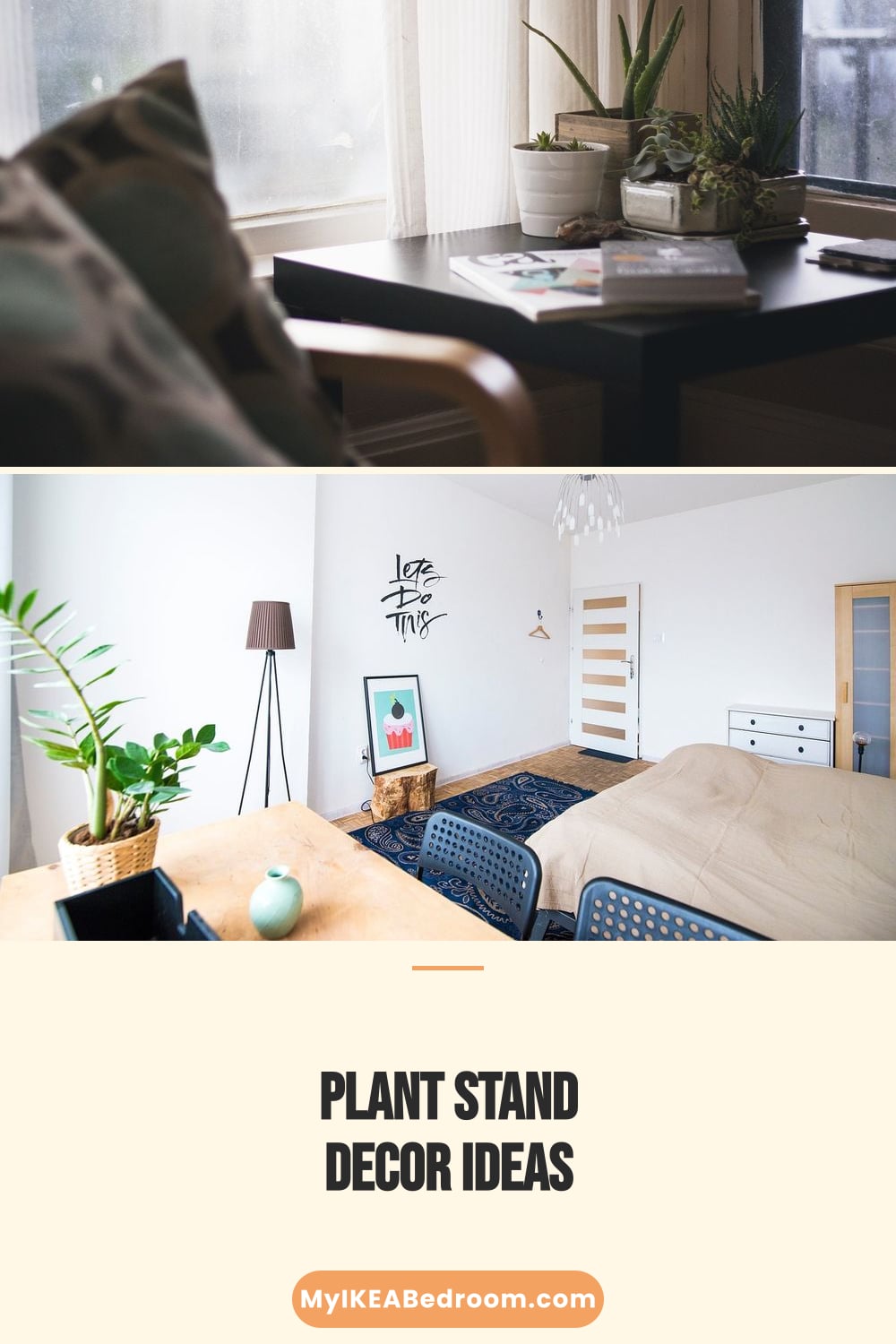
A well-chosen plant stand do more than simply hold a plant pot off of the floor. Beyond the fact that a plant stand can transform an ordinary houseplant into a focal point for a living space, there are various reasons that a plant stand may be beneficial to a home… Problems involving corners in the space can be solved with the addition of a plant stand, and a plant stand can help to organize all of the plants in a space without making that space feel too cluttered.
Furthermore, once an individual starts to look for plant stands, it becomes readily apparent that plant stands comes in a variety of different locations within homes, each of which serves to solve a certain decorating puzzle. For these reasons, it is beneficial to consider each of the various types of plant stands available to enhance the interior decor of a home. There are various ways that a plant stand can interact with the different elements of a room that features those stands.
For instance, an individual can place a tall and skinny plant stand in a hallway to draw the eyes of the individuals who pass through that area towards the plant growing within the stand. Additionally, one can use a low and wide plant stand to place within a space that is exposed to a great deal of natural light, such as under a large window in a living room; this will allow the stand to provide a home for the houseplants while also reducing the amount of harsh light that is present within that area of the home. These types of placements are made with a specific intention regarding that placement within the home, and these different placement options are only a few of the many reasons that plant stands is beneficial to homes.
There are, therefore, nine smart ideas regarding the use of plant stands that will provide both function and beauty to a room within the home.
Nine Smart Plant Stand Decorating Ideas
1. Wooden Tripod Stands
One of the most classic types of plant stands are wooden tripod stands. These types of stands feature three distinct legs that help to support the stands weight, and are typically constructed from wood such as oak, teak, or bamboo.
Furthermore, the tripod stands are often leaned into the plant that is growing within the stand, which allows for the stand to be visually open and allow the houseplant to become the focus of the stand. Additionally, a person may place a tripod stand beside a seating area within the home for added comfort for the individuals that use that area of the home. Tripod stands are often created with natural wood for the stands to feature the natural grain of the wood; this feature both visually contrasts the plants within with the stand itself, as well as ensures that the plants dont appear to have been placed within the stand as an afterthought within the area.
However, tripod stands may be unstable upon thick rugs within the home, and, therefore, are best utilized within areas that feature hard flooring within the area.
2. Marble Topping Stands
Another common type of plant stand are stands with marble toppings. These types of stands are associated with elegance to the area within the home in which it is placed, and are often seen within homes that are either of a more traditional or minimalist feature.
The natural contrast between the marble topping on the stand and the houseplants that are placed within the stand provide visual interest to the area within the home.
3. Pedestal Stands
Furthermore, one may use pedestal stands for smaller houseplants, such as African violets, peperomias, or string of pearls. Due to the staining properties of marble, however, a person should place a saucer or a felt pad beneath the plant pot that is placed upon the stand.
Within areas of a home that contain similar features to the furnitures in the area, such as dining rooms, pairs of pedestal stands may be placed on both sides of a sideboard to create a luxurius appearance to the area.
4. Multi Tiered Ladder Shelf Stands
Another type of stand includes a multi-tiered ladder shelf stand. Often, individuals use these stands who have a larger collection of houseplants than can be contained within a windowsill within the home.
However, rather than purchasing a full shelving unit, people can purchase these stands to provide a level of tiering to their houseplants. For instance, those that enjoy providing the plants in their care with plenty of sunlight can place those plants onto the top shelf of the ladder stand, while those plants that require little light in their area can be placed on the bottom shelf. Such stands are associated with boho, Scandinavian, and industrial homes and standare popular within these types of homes.
Whether the stand is black or bare wood, the open back of the ladder shelf stand will provide an area within the individual’s home that does not feel too closed in; this feature is one of the reasons for which ladder stands are among the most popular types of plant stands within small apartments in the city.
5. Hanging Plant Stands
Another common idea is to utilize hanging plant stands to solve for the limitation of the amount of space within the home. Particularly in homes with limited square footage, hanging plant stands provide an alternative means of adding greenery to the area without taking up counter space or floor space.
Macrame hanging stands with cotton or jute hangings are associated with a touch of nostalgia to those who grew up within homes with these types of stands. Alternatively, metal hanging stands with geometric shapes provide visual interest to rooms that are of a more moddern nature. These hanging stands can be placed at varying heights to maximize the use of floor space within the home; however, the plant pots within these hanging stands should have built in drainage to avoid any water from dripping onto the individuals furnishings or flooring within the home.
Finally, a single large hanging plant stand can be used to place within a featureless corner within the home to visually anchor the area, as well as to provide the individual with a sense of depth within the area.
6. Wheeled Plant Caddy Stands
For those who have patios or balconies outside of their homes, one of the most useful types of stands are wheeled plant caddy stands. These types of stands are often made from heavy duty plastic or powder coated steel; these stands allow for an individual to easily roll their houseplants to their outdoor area to provide necessary levels of exposure to the sun, or to transport their plants to any area within the home where they may need to be placed.
The location of the wheels under the pot allow for the plant stand to appear as an arrangement of houseplants rather than a practical tool. Additionally, the wheeled plant stand is most useful in areas outside of the home, particularly in locations where the individual must move heavy plants within the home such as terracotta pots. Terracotta pots are among the heaviest types of pots available for houseplants, and their weight would of made it impossible for an individual to move such a plant without straining their back.
7. Corner Plant Stands
Another common idea for utilizing plant stands is to place a corner plant stand in those awkward areas within the home that otherwise may accumulate dust. Most corner plant stands feature designs that are triangular or L shaped, and often feature two or three shelves that ascend from the floor. These types of stands are designed to fit against two walls within the home.
Furthermore, houseplants like ferns, calatheas, and peace lilies may be placed on the lower shelves within the corner stand, while smaller succulents may be placed on the upper shelf to allow those plants to recieve as much light as possible to encourage healthy growth. The feature of a corner stand that features against two walls can help balance homes that feature low ceilings; the plants within the stand will draw the eyes of individuals who enter the home to the area.
8. Old Step Stools or Ladders
Another idea is to utilize an old step stool or another old ladder as the stand.
Often, these pieces of furniture have character to the area within the home in which they are placed; they have been used for a variety of tasks in that area. An old ladder can be placed beside a seating area within the home, and its steps may be used to place herbs or small flowering plants such as African violets. This type of stand is common in homes with a cottage or eclectic design.
Furthermore, one should consider the stability of the old ladder before employing it as a plan stand; an old ladder may wobble if individuals stand upon it, and the same will be true of any plants that are placed upon the ladder.
9. Vintage Trunks or Suitcases
Another idea for utilizing a plant stand is to use a vintage trunk or suitcase. People may create these stands by placing two or three old leather suitcases in various angles.
These suitcases may be secured, and the plants may be placed upon the trunks. Vintage trunks feature wear to their corners, edges, and labels that indicates the trunks have been used to transport items to various locations. These vintage items will contrast the lush greenery of the houseplants, and will be most visually appealing within homes and areas that contain other vintage items, such as globes, maps, or bookshelf displays.
Additionally, these trunks may be used to hide items within the stand, such as potting soil or fertilizer. However, the drawbacks of this type of plan stand is that it will accumulate dust within the home; ornate and vintage stands must be wiped periodically to avoid any issues in which they may become neglected within their appearance.
In general, the best plant stand for each individual may be determined by understanding the individual’s plants and their space within the home.
Each of the best plant stands may provide a relationship between the stand, the plants within the stand, and other decorative items within the area. When individuals understand these relationships between the various items in the home, each area may be completed and visually appealing. Furthermore, the individual’s plants will benefit from the relationship between the stand and the plant, and the individual’s home will visually appear to have been styled by the individual that lives within the home.
