
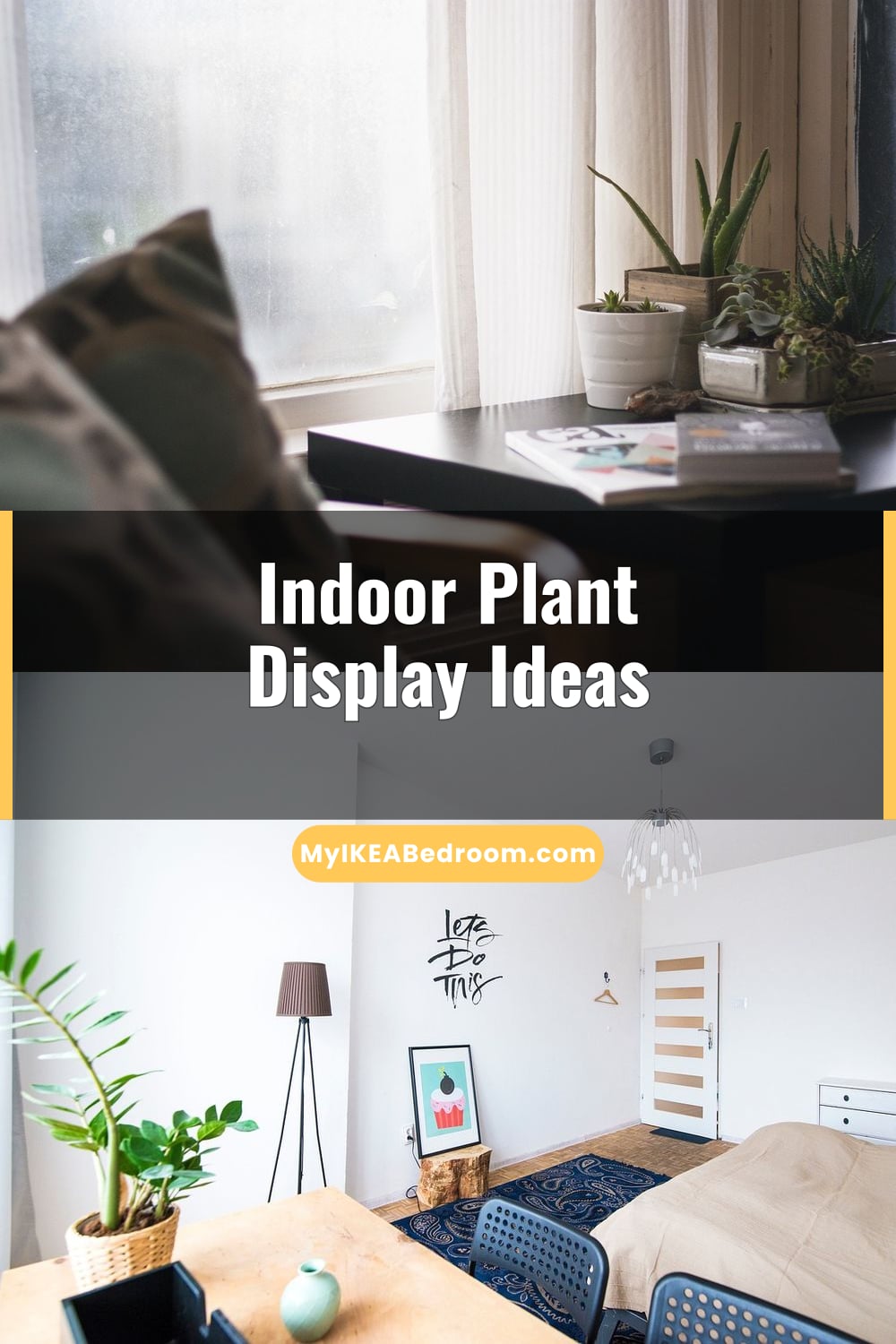
Indoor plants perform a variety of essential function for homes. Indoor plants clean the air that is in the homes that you live in, indoor plants soften the harsh light that comes from the window in those homes, and indoor plants also give the homes a sense of life. The difference between a house that contains indoor plants that are displayed in a variety of ways, and one that contains indoor plants that are neglect and placed in plain view, is the presentation of the plants.
The presentation of indoor plants will change the appearance that a room give to an observer. For example, a pothos plant that is neglected in a corner of a windowsill will not necessarily attract the attention of the individuals who live in that home. However, if you place that same pothos plant on a pedestal, or if you include it in a grouping of plants of different varieties, textures, or sizes, or if the pothos plant is allowed to trail from a hanging planter, then that plant is transformed into art that the individuals in the room can admire.
The art of displaying indoor plants successful will reward you every time you enter your home. Some of the ideas that will be provided will solve various problems with displaying indoor plants in the home. Some solution will address the problem of limited floor space within the homes.
Other solutions will address the problems of awkward lighting within some homes. Other solutions will address the desire of some individuals to create an arrangement of indoor plants that appear intentional rather than randomly-placed within the rooms. If floor space within your home is limited, vertical layering of indoor plants may be an option for you to consider.
Creative Ways to Display Your Indoor Plants
1. Vertical Layering with Shelves
Many apartments has limited floor space, but have plenty of wall space within the homes. You can install shelves at various heights within the home, and indoor plants with trailing varieties can be placed on the top shelf. This will allow individuals to visually navigate the plants from top to bottom within the room.
Additionally, using various sizes of pots and plants with varying leaf shapes will provide visual interest to the displays of indoor plants on the shelves. These indoor displays will also avoid the need for drips from the indoor plants onto the floors of the houses by placing the indoor plants on shelves that line a waterproof tray. One downside of using shelves is that they often become more dusty than other displays of indoor plants.
However, you can easily avoid this problem by wiping the shelves every few weeks. Another option for indoor plant displays is to utilize indoor furniture for those displays. For instance, you can place indoor plants on top of a shelving unit that is away from the wall in the home.
2. Utilizing Indoor Furniture
Larger indoor plants, such as fiddle-leaf fig, can be displayed on the bottom of the shelving unit. Additionally, smaller indoor plants, such such as African violets and peperomias, can be displayed on the upper portions of the shelving unit. The open portion of the shelving unit allows indoor plants to be exposed to the light that enters the homes, which keeps the indoor plants happy.
This arrangement of indoor plants on furniture works especially well in apartments with studio kitchens, as every inch in these apartments may be required to perform multiple functions. Additionally, the furniture must be anchored to the wall if the apartments experience earthquakes or if there are indoor cat that like to climb on the furniture. Another way to display indoor plants within the homes is through the use of hanging planters.
3. Hanging Planters and Macrame
Macrame hangers have become increasingly popular for various reasons. Macrame hangers add texture to the indoor environments. Additionally, macrame hangers do not take up any floor space within the rooms.
Additionally, indoor herbs like basil and thyme do especially well within hanging planters if the amount of light that enters the homes is bright enough to provide sufficient light to the herbs. Additionally, macrame planters will have drainage within their plan, or they may have drip catchers installed into the macrame hangers that will catch the water from the indoor plants. Without drip catchers or saucers for the pots of indoor plants, the owner will be required to mop up the water that falls from the indoor plants from the pots.
Once mastered, these hanging planters will allow indoor owners to create dynamic indoor plant displays. Another way to display indoor plants is through the use of pedestals and stands. A pedestal of wood, metal, or another natural material can highlight a rubber plant or a bird of paradise.
4. Pedestals and Plant Stands
When the plants are of a height that allows the individuals in the room to view the indoor plants while avoiding neck strain, the owners will more appreciate those indoor displays. Additionally, stands that are used for indoor plants should have minimal features that may distract from the plants. Metals in matte black or warm brass colors will work well in almost any décor in the homes.
Additionally, using three stands of different heights will mimic the appearance of indoor plants that grow natural within the wild. This arrangement will provide an appreciation of the natural world to the owners of those indoor plants, which is a feeling that people often desire within their homes. Another way to display indoor plants is to use mirrors.
5. Using Mirrors for Light and Depth
By placing a large mirror behind one of the indoor plants that is especially loved within the home, one plant may appear as a jungle of indoor plants. Additionally, the mirror will reflect the light that enters the homes, which can be beneficial for indoor plants that would otherwise be located in areas that receive no sunlight. If the mirror is placed behind the plants in such a way that the reflection of the mirror returns to the plants that live in the areas behind the mirror, an individual will increase the amount of light that enters the homes and that reaches those indoor plants.
Additionally, if the mirror is placed in such a way that it reflects the light from a window in the home, it will create a visual effect within the plants during the mornings when the sun is rising. Additionally, if the mirror is placed behind the indoor plants, it should be avoided from reflecting the direct sunlight from the southern portion of the homes. The direct sunlight from the south portions of the homes can be strong enough to potentially scorch the leaves of the indoor plants.
6. Creating Glass Terrariums
Terrariums are another way to allow indoor plants to be displayed for those that own the homes. Terrariums are self-contained worlds within which indoor plants grow and bloom. Additionally, these terrariums can contain various types of indoor plants, such as fittonia, mini ferns, and moss within a large glass cylinder that contains a layer of gravel, activated charcoal, soil, and the indoor plants listed above.
Additionally, these terrariums can be placed on a coffee table in the living room or another area of the homes. Terrariums require patience from the owners of the homes, as the terrariums should not be watered each day. If too much water is added into the terrariums, the plants will wilt.
Terrariums can be of interest to professionals who are busy or to those who travel extensively as they require minimal attention for periods of time. Bookshelves have built-in features that may allow indoor plants to be displayed within homes. The indoor plants can be placed in gaps in bookshelves rather than being filled with novels or other reading materials.
7. Integrating Plants into Bookshelves
Additionally, trailing indoor plants will add visual interest to the indoor displays. For example, a philodendron can be placed into the gaps between cookbooks. Additionally, indoor plants should be rotated every few months to allow each indoor plant to receive an even amount of sunlight.
Additionally, placing indoor plants within booksheives will allow for those plants to be noticed by the guests that visit the homes of their owners. Windowsills may be able to display indoor plants in a variety of ways. For instance, a tension rod can be installed in the middle of the window in the home.
8. Maximizing Windowsills
Additionally, planters can be hung from the suction hooks that are placed on the windows with suction pads. Plants that are hung from the windows will receive the maximum amount of sunlight in the homes. Indoor plants that live on the windowsill do not require the same amount of light as those that are displayed on shelves.
Additionally, indoor plants that are placed on windowsills have similar requirements for water. For instance, succulents and herbs can all be displayed on windowsills together. The light that enters the homes in the mornings can transform any kitchen into a peaceful greenhouse.
However, if the depth of the windowsill is not measured beforehand, the curious pet or humans who wish to open the curtains in the homes may knock over indoor plants on a windowsill. Therefore, deep ledges in windowsills are the best choice for windowsill displays of indoor plants. If you have a corner in your home that does not receive much sunlight from the windows, you can still create a dedicated plant nook in your home.
9. Designing a Dedicated Plant Nook
The walls in these corners can be painted a color such as sage or gray to highlight the indoor plants that are placed within the nook. Additionally, various types of indoor plants can be placed in various locations in the corner nook, such as floor plants, hanging indoor plants, and a small bench for those who would like to read or water the indoor plants in the nook. If you add a humidifier to this area of the home as a decorative planter, you have created a mini indoor oasis for those who enter your home.
Additionally, this area may become a destination within the homes. On especially stressful days, people may wish to visit this corner of the home for relaxation. Additionally, surrounded by indoor plants that require little care, individuals may feel better then they would feel within other areas of the homes.
If you wish to change the appearance of an area of the home after the sun sets over the horizon each day, there are a variety of lighting options for indoor plants. Grow lights can be purchased for various types of indoor plants. Additionally, LED strips can be placed under the shelves in a home where indoor plants are displayed.
10. Optimizing with Grow Lighting
These lights will extend the daylight for the indoor plants, as well as change the appearance of the interiors of the homes after the sun sets. The lighting options should be chosen to emit the same color temperature as the daylight. The lighting options may appear to be standard lamps within the homes during the daytime.
After the sun sets, however, the lights will reveal their true purpose. These lights may be mistaken for indoor accent lights by the guests that visit the homes of the indoor plant owners. In addition to the suggestions made above, there is one more essential way to display indoor plants within the homes: editing your indoor plant collection.
11. Editing Your Plant Collection
A sophisticated arrangement of indoor plants may contain fewer plants than you may have thought possible. Additionally, the indoor plants in those arrangements may have space to breathe within their homes. Edit your indoor collection to remove plants that appear to be struggling, or those that do not suit the interior of your home.
By placing each indoor plant into the proper container and finding the best spot to place each indoor plant in your homes, your indoor collections will appear twice as intentional. An individual plant that is placed in the appropriate spot in your home will always outperform a group of indoor plants that are forced to share space on the windowsill with inadequate light for them to perform optimally. Each successful indoor plant arrangement will follow this strategy of placing one plant in the appropriate spot within the home.
The secret to creating a good indoor plant arrangement is not in the number of indoor plants that you have in your home. The secret is using fresh eyes on each indoor plant that you own, and providing each indoor plant with the best area in your home for it to display its best features. Once you start thinking of your indoor plants in the same way that a curator thinks of the items in his collection, your homes will appear as if they have been waiting for you and your indoor plants all along.
