
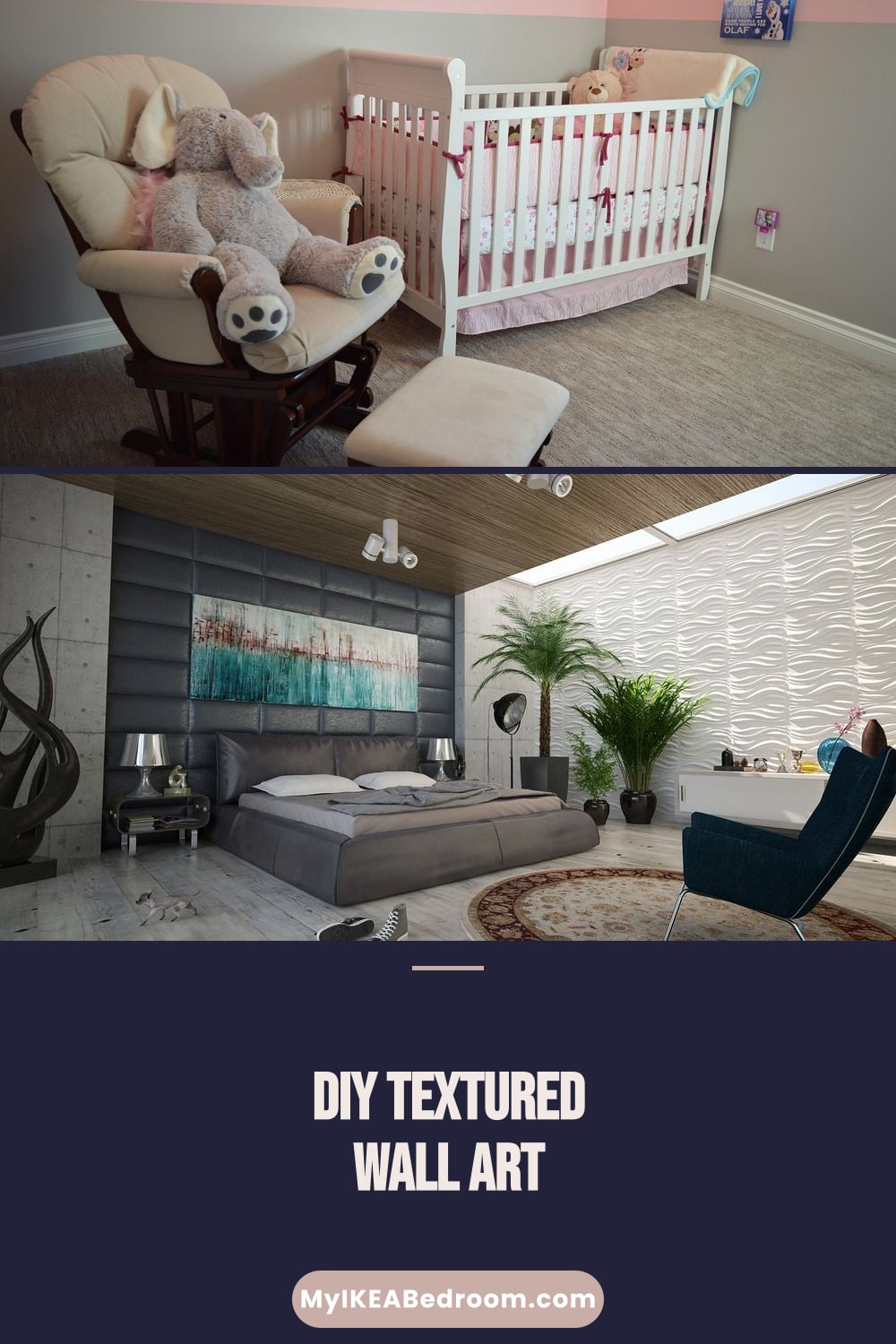
Creating textured wall art for a room allow a person to transform a plain room into a room with depth. The way that light play on textured wall art provides depth to the room that flat prints or paintings cannot provide. A person does not need to have an art degree or purchase expensive supplies to create textured wall art.
Using the basic materials and putting in a little patience will allow almost anyone to create pieces of art that appear to have come from a gallery. Textured wall art projects provides a person with the opportunity to make art that is personal to that individual. The art will reflect the colors that the person chose and the mood that they were in when they made the art.
Once a person understands a few of the ways to create textured art, there are numerous ways to create art. There are seven distinct way to create textured wall art in the home.
Seven Creative Ways to Make Textured Art
1. Plaster and Joint Compound
One of the best method for creating textured art with the most dramatic dimension to the art projects is to use plaster and joint compound.
These art techniques use the least amount of tools from the other methods for creating textured art. To make joint compound art, a person should start with a thick layer of premixed joint compound on a primed canvas or wood panel. A person can use a putty knife or trowel to apply the joint compound.
The joint compound will dry into a hard finish that is similar to stone. Once dry, the joint compound will take paint well. This art medium is best use for large art projects due to the thickness of the joint compound.
The only issue with this art medium is the weight of the joint compound. Therefore, if a person chooses to use this art medium, they must ensure that the art will not fall from the wall. The person can mix the joint compound with more water than the other mediums.
The more water that a person adds to the joint compound will make the art slump into ridges. Joint compound that is mixed with less water will retain its peaks. A person may be surprised by the fact that most people prefer the way that the plaster clings to the plan rather than the art that develops during the drying of the joint compound.
If a person makes art with joint compound, they can sand any areas that they do not like once it has dried.
2. Natural Fabrics or Fibers
A second method for creating textured art is using natural fabrics or fibers. These textures has the additional benefit of absorbing sound within the room.
For this art medium, a person can stretch burlap, cheesecloth, or linen of the same weave over a frame. A person can use fabric scraps that have been dipped in diluted glue or plaster. A person should ensure that the fabric features overlap to allow for the fabric ends to fray.
The art medium dries with hills and valleys due to the way that the fabric ends overlap with each other. Once the fabric art medium dries, a person can brush metallic wax or metallic paint on it. Alternatively, a person can leave the art medium as is without brushing it with metallic paint.
This art medium is perfect for bedrooms or reading nooks where a person does not want a dramatic texture in the room. The benefit to this art medium is the way that the light will catch every thread in the fabric. A person can use old linen napkins and muslin fabric strip.
Both of these fabrics has a certain sophistication when hung on a wall. Additionally, a person can include other items into the fabric art medium such as dried plants or strips of ribbon from vintage clothing. People will want to reach out to touch the art that a person creates with fabric.
This is the desired reaction that a person desires from their handmade art.
3. Modeling Paste and Stencils
Modeling paste and stencils create an art medium that allows for precision and is best for those who enjoy the graphics that the stencil will create. Acrylic modeling paste is thicker than paint but thinner than joint compound.
Because of this, acrylic paint is perfect for applying stencil art. Modeling paste can be applied to a wall in thin layers. Each thin layer should dry before the next layer of modeling paste are applied.
This art medium can be sanded after it dries to create a distressed art finish. Alternatively, a person can leave the art as is to have a moddern look to the art. If a person chooses modeling paste and stencil art, they can make multiple piece for a gallery wall of art.
An additional benefit of using modeling paste and stencils is the amount of control that a person has over the art. A person can create straight lines and shapes with this art medium. Additionally, a person can make repeating patterns and shapes that are geometric with the modeling paste and stencil art medium.
Art makers can use this medium to create art that depicts wood carvings or architectural features at a fraction of the cost of real wood or architectural details. The modeling paste also mixes easy with acrylic paint, so a person can tint the texture itself instead of having to paint over the texture later.
4. Found Object Impressions
Using found object impressions allows a person to use common items and transform them into tools for creating texture on a wall art project. Items such as keys, wire mesh, foil, seashells, and even Legos can be pressed into a thick base coat of spackle or heavy gel medium. Once these objects are removed from the medium, the wall art will feature an imprint of the object’s texture. The entire art piece can be painted a single color, or various washes of paint can be used to create a more detailed image.
One of the best benefits of using these types of objects to create texture on a piece of art is that it reuses items that would typically sit unused and collect dust. For instance, nothing but bottle caps could be used to create these artworks. Not only would the artwork potentially reflect metallic element on the painting, but it also would cost close to nothing to create.
The only limitations to this particular art form are an individual’s imagination and the size of their workspace.
5. Carved Foam Board
Another useful way of adding texture to a piece of art is through the use of carved foam board. Foam board that is used for insulation can be purchased at any local hardware store.
This type of foam board can be carved with common tools such as knives, wire brushes, and soldering irons. Once carved, a thin layer of plaster or gesso can be added to strengthen the surface and even hide the texture of the foam. Then, the painted medium can be used to color the art piece.
Because foam board is such a lightweight material, art made with this medium can be relatively oversized. These types of art projects is potentially impossible to create with plaster-based art techniques. Many use this art form to create oversized headboards or art walls for rental properties.
However, the downside of this medium is that the foam board can easily dent if the art is not handled with care.
6. Mixed Media with Texture Mediums
Another medium for creating wall art that includes texture is mixed media with texture mediums. A person can begin with a substrate of their choice.
However, adding elements such as torn pieces of paper, fabric, or even photographs will add interest to the art medium. A thick layer of texture gel or crackle paste can be added to cover the substrate and elements. Additionally, mediums such as charcoal or oil pastels can be used to add additional texture once the medium dries.
The key to creating mixed media art with texture mediums is to work in thin layers and allow the medium enough time to dry. This medium is appealing to individuals who have collections of various object. The individual elements will all have a home within this mixed media art.
This type of art is often seen as complex but has many layers to explore. Viewers often find new details within the art that are not readily seen at first glance, which maintains the viewer’s interest in the artwork over time.
7. Natural Elements
Art that incorporates natural elements such as sand, clay, and natural pigments adds another dimension to the creation of texture in art.
Sand can be mixed into the acrylic medium to create a surface that reflects desert landscapes. Air dry clay can be applied to the art piece and cracked to create the effect of ancient fresco art. Finally, natural pigments can be mixed with the binder to create timeless color rather than trendy colors.
These types of artworks age gracefully as they acquire a patina over time. This patina actualy enhances the artwork’s beauty rather than detracting from it. Additionally, because natural elements are used in the creation of these artworks, they feature a connection to the outdoors.
This connection to nature can enhance the mood of even the most moddern interior. The only consideration for artists who use natural elements is sealing the artwork properly so that the materials do not shed dust on viewers over time. Each of these mediums demonstrates that textured wall art do not require a significant investment of money or skill to create.
All an individual has to do is to get their hands dirty and allow the materials to show their capabilities. The best way to begin learning more about each of these mediums is to begin creating art on a small scale with the available scraps of materials. This will allow an individual to determine what type of medium inspire them the most.
Soon, they will have a collection of original art pieces that they are proud to create and display in their homes. Furthermore, the individual will be satisfied knowing that every element of each artwork contains the imprint of their own creation.
