
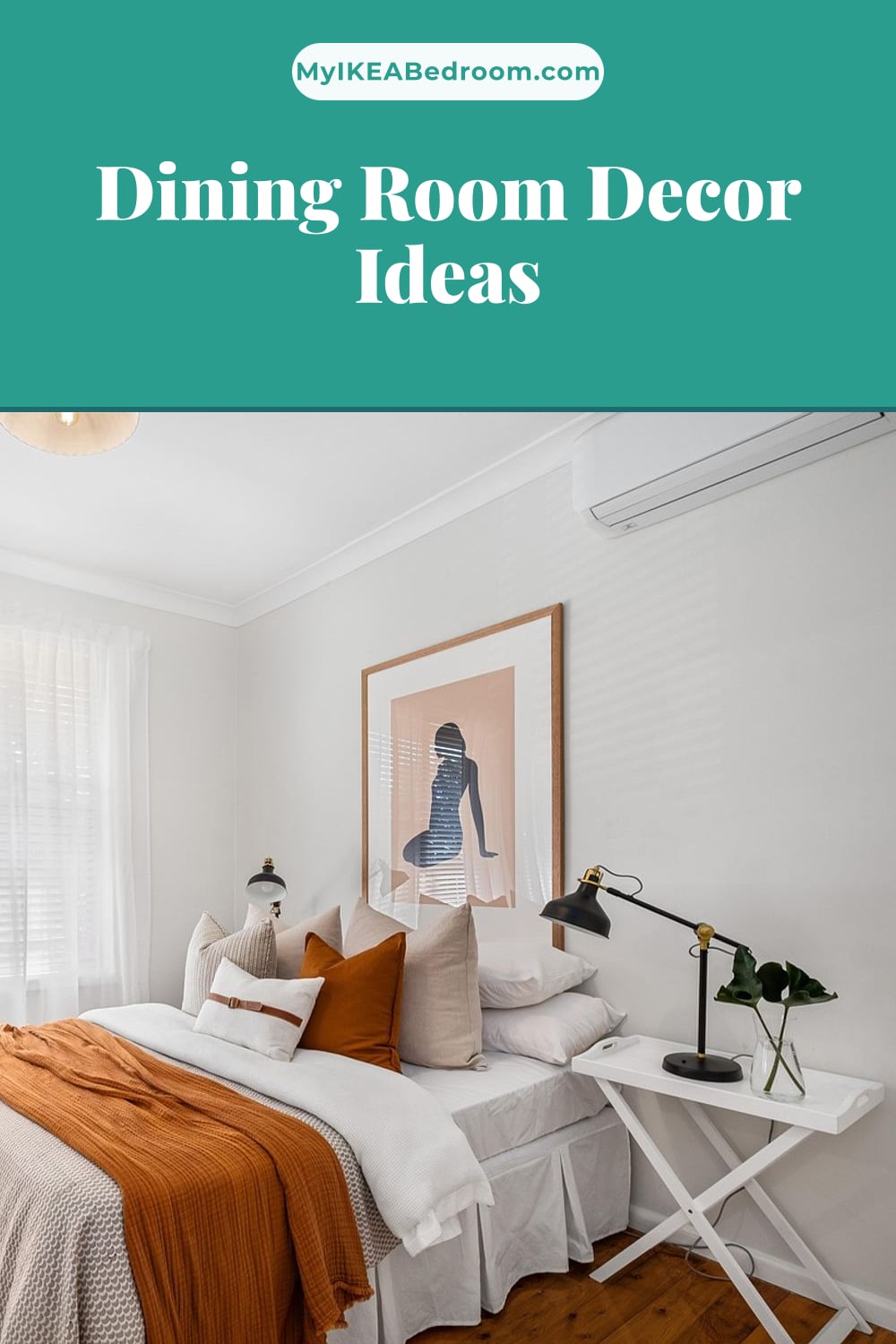
The dining room is usually located in the center of the home. The dining room is the place where meals becomes memories and where individuals gather for meals and talk for a long period of time after the meal. Additionally, the dining room can also be the place where guests form there first impression of the décor in the home.
Therefore, the decor for the dining room will set the mood for the individuals that gather within the dining room. A well thought out decor for the dining room can make every dinner special and transform a holiday gathering into a long-lasting memory. A complete renovation of the home isnt required to include a well-designed dining room décor.
The best décor choices have the power to make the biggest impact on the dining room decor. The ideas discussed below will give the reader a clear idea of ways to transform the dining room décor into a special area within the home that can be appreciated by all who enter the home. Lighting for the dining room is the foundation for the décor within the area.
Ways To Transform Your Dining Room Decor
1. Layered Lighting Solutions
Using only one chandelier will not provide enough light for the dining area. You can place a chandelier overhead, supplemented by wall sconces and buffet lamps, and finally by installing recessed lights that can be controlled with a dimmer switch. These different light fixtures will provide the dining room with both an energetic and an intimate mood depending on the needs of the area at any given time.
Additionally, using the appropriate lighting will avoid harsh shadows on the faces of the individuals dining and will make the area feel more expensive than the cost of the lighting fixtures used within the room. The color of the walls in the dining area has more importance then many people understand. Deep colors will highlight the art and upholstery within the room.
2. Strategic Wall Colors
Soft colors will add some personality to the décor. For individuals concerned about the commitment of painting the walls a certain color, painting only the lower third of the wall to a deep color will create both depth and drama within the room. Additionally, the individuals should test the color chosen for the dining room walls during the nighttime hours since the dining room will be used the most during the evenings.
The décor for the dining table has to be chosen with consideration of the shape of the table and the purpose of the room. Rectangular tables is best for maximizing the number of individuals that may dine at the table. Round tables, however, encourage individuals to converse more easily.
3. Dining Table Shapes
For those with narrow dining rooms, a long trestle style table will provide more room for individuals to move within the dining area. For the tables of various woods, individuals can choose the wood that best fits in with the décor of the remainder of the area. Finally, mixing the styles of the dining table and chairs will provide more visual interest in the area.
4. Dining Room Chairs
The chairs for the dining area require more consideration than many people provide for the chairs. The chairs need to be comfortable, with a slight amount of cushioning, appropriate back support for the back of the individual, and the height of the chairs should clear the apron of the table by at least nine inches. For more visual interest in the dining area, individuals can opt for placing two different styles of chairs in the area.
For instance, individuals can place carved wood chairs at the heads of the table and upholstered parsons chairs at the sides of the table. Finally, rugs is an essential décor element for the dining area. The rug should be large enough to allow all the chairs legs to rest upon the rug when the individuals are not at the dining table.
5. Area Rugs
A wool or sisal rug will last longer in the dining room than a plush rug. For added benefit, a patterned rug will hide stains on the rug caused by the placement of red wine upon the dinner plates. In addition to these benefits, the rug will help to define the décor elements of the dining area.
Placing a mirror within the dining area will expand the area and reflect the décor within the area in a flattering manner. A large mirror placed against the wall opposite the window will provide an airiness within the area. Additionally, placing a tall mirror against the wall behind the sideboard will reflect the chandelier within the dining area and make it appear as if the dining area is taller than it is.
6. Mirrors for Space Expansion
Place the mirrors in a manner that will not reflect the backs of the heads of the individuals dining in the area. Finally, art can be displayed on the walls to transform the dining area from a barren space to a special area with an element that echoes the identity of the individuals who inhabit the room. An art gallery display of various art pieces within the area will create a collected décor for the dining area.
7. Art and Sideboards
For those who use the dining area as an office, more calm art pieces should be displayed rather than stimulating art décor. Sideboards and buffets include both storage for the dining area and an additional décor element for the area. The sideboards should have enough space to store linens within the drawers and to place platters of food on the shelves.
Finally, any décor placed upon the sideboard will be a way of enhancing the décor of the dining area. For instance, a bowl of fruit upon the sideboard will add to the décor of the area. Additionally, ensure the style of the sideboard correlates with the dining room table and décor but does not directly copy the table.
8. Natural Greenery
Greenery in the dining area will add life to the area and visually soften the décor. A low arrangement of flowers of eucalyptus and roses will not force the individuals to look aside from the meal. Higher greenery arrangements can be added to the area as well.
For instance, trailing plants can be placed upon a shelf in the area or a fiddle-leaf fig can be placed in a corner of the dining area. For those who would like to avoid watering the plants, high-quality faux plants will provide the same visual interest as real plants yet require no care. Texture within the dining area will provide the area with an element that contrasts with the other décor.
9. Visual Texture and Window Treatments
Examples of contrast include smooth china items placed alongside wooden dinner bowls, linen napkins placed alongside metallic chargers, or velvet seat cushions placed alongside a matte-painted dining table. These various textures will provide visual and tactile interest in the area prior to the individuals dining entering the area. Finally, window treatments for the dining area can provide additional décor for the area as well as allow individuals to control the light within the area.
Heavy curtains made of linen or wool will absorb sound within the area. For those who do not require the privacy that curtains can provide, woven shades can be used for the dining area. Either option for window treatments will work best if the hardware is mounted high and wide to make the windows within the dining area appear taller and the area of the room more expansive.
10. Personal Touches
Additionally, personal touches throughout the dining area will transform the décor into a space that belongs to the individuals who occupy the home. Examples of personal touches can include the display of china that the individuals have inherited, artwork created by the children of the individuals, or even a decanter set that belonged to one of the grandparents of the individuals. These personal décor items will allow others who enter the room to get a sense of the individuals.
11. Scale and Editing
Another element of décor to consider for the dining area is scale. For instance, a tiny chandelier will be insufficient over a long dining room table. An oversized rug will make the dining area feel smaller.
For both these examples as well as others, individuals should measure the décor items twice before purchasing them. Ensuring the décor items relate appropriately to one another will make the area feel more relaxed and visually balanced. Finally, décor in the dining area can be completed with the process of editing the décor within the area.
Remove any items from the dining area that do not have a purpose related to the décor of the area. A sideboard filled with random items will make the dining area appear chaotic. Ensure the décor is balanced by stepping back and considering what the eyes will fall upon when entering the dining area.
If the eyes do not fall upon the dining room table or the décor within the area, edit the décor to ensure that the dining area has an appropriate focus. The dining room does not have to be perfect, but it should be a place where the individuals want to spend alot of time. Consider two or three of these ideas as essential for the dining room décor.
Implement each idea and then live within the home with the changes for one season. After a while, the dining area will transform into a space that encourages the individuals to gather and converse for long periods of time. The laughter will last longer, the stories will be shared more easily, and even the food will taste better when gathered within a decor-enhanced dining area.
This is the result of getting the décor for the dining room right.
