
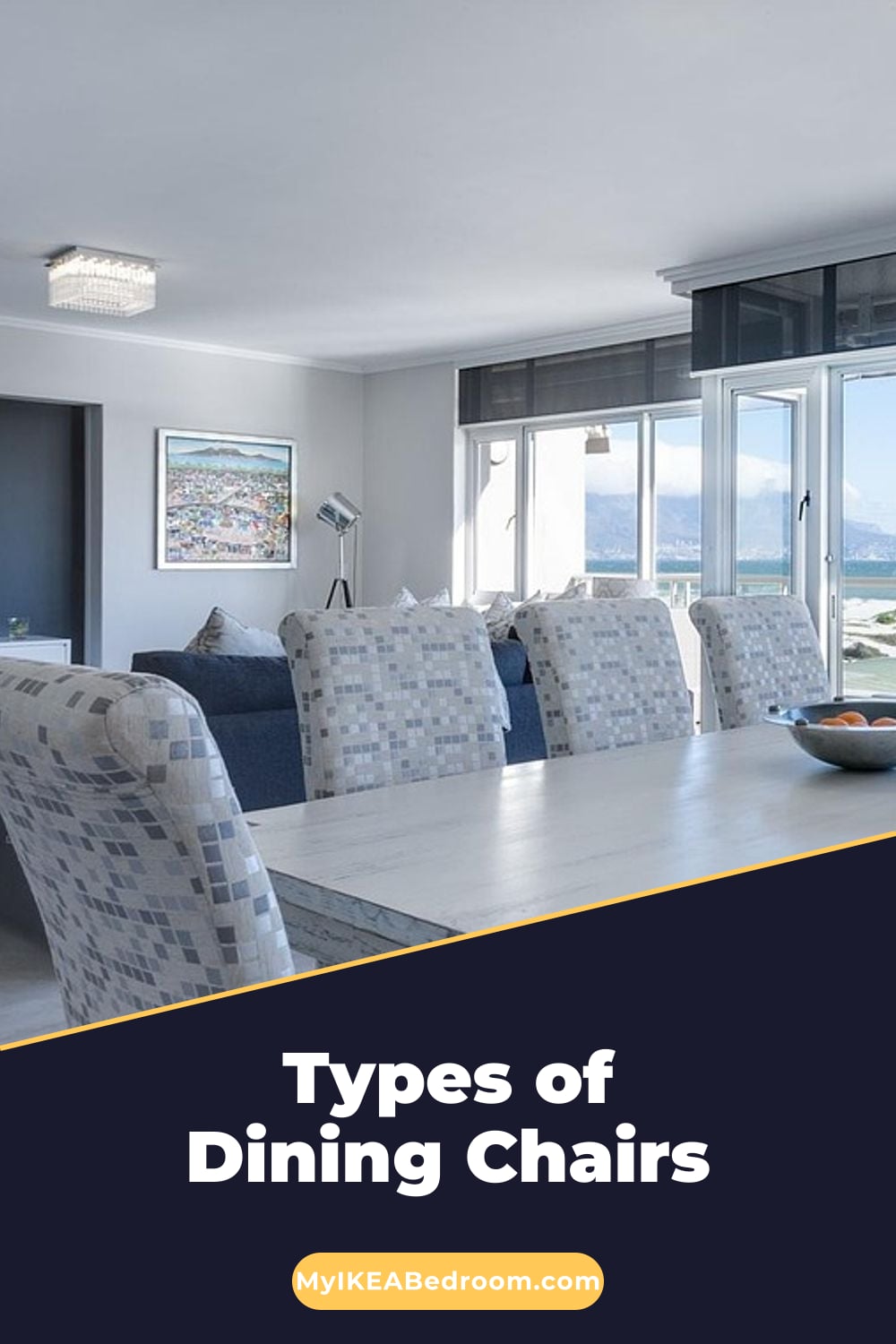
Dining chairs do more than just hold a person upright at the table. Dining chairs also help to set the tone for every meal, every conversation, and every gathering that may occur in the home. If a person sits in the wrong type of dining chair for too long, they may experience backaches, their guests may leave the home early, or the entire room may just feel off balance.
However, if a person chooses the right type of dining chair for there home, they will feel comfortablely during their dining hours, the entire room will look good together, and they will find themselves wanting to spend more time at the table with there meals. Each of the different types of dining chairs offers some features and benefits to the others, but also provides a different benefit for those who chooses to use that type of chair at their table. There are a variety of dining chair choices that a person may encounter when shopping for the perfect chair for their dining room.
Some dining chairs feature sleek moddern designs with various elements, while other dining chairs focus on the durability of the chair for the longevity of the family that utilize it. Some of those choices include Parsons chairs, side chairs, armchairs, bench seating, Windsor chairs, upholstered dining chairs, tulip chairs, ladderback chairs, X-back chairs, and crossback chairs. Parsons chairs are some of the most versatile dining chairs that are available for those who wish to furnish their dining room.
Popular Types of Dining Chairs to Consider
1. Parsons Chairs
Parsons chairs feature clean lines, a simple rectangular backrest, and legs that extend straight from the seat of the chair. These types of chairs were originally designed in the 1920s at the Parsons School of Design in New York City, and they were designed to disappear into the décor of the home in which they were placed. Thus, Parsons chairs can be upholstered in bold fabrics to provide drama to the dining room, or they can be chosen with more neutral fabrics that allow the décor of the home to remain the star of that room.
Additionally, the straight backrest of the Parsons chair can provide support to the back of the individual who sits within it. However, one of the disadvantages of the Parsons chair is that its bulky frame may be challenging to utilize in small kitchen. Another variety of dining chairs that may be appropriate for those who wish to furnish their dining room are side chairs.
2. Side Chairs
Side chairs are those that do not feature any arms on the chair, and they have been utilized for centuries. These types of chairs are typically able to be easily moved under most dining room tables when they are not in use. Thus, side chairs save valuable floor space within the home.
Side chairs can be classic wooden design with a curved backrest to the chair, or they can also be more modern designs that may feature wooden or plastic designs for both the chair and its legs. Side chairs may be seen in both traditional and contemporary homes, and they may be made with wooden materials that develop a patina over time, or they can be plastic chairs for more minimalisit homes. Because side chairs do not have arms, they encourage guests to sit closer to one another around the table.
Thus, these types of chairs work well with dinner parties. However, individuals should remember that side chairs do not have the support of arms for those who sit within them for long periods of time. Armchairs are some of the most popular types of chairs for those who wish to place them at the head of the dining room table.
3. Armchairs
The reasons that armchairs are popular include the elbow rests and armrests that is built into these types of chairs. These armrests allow individuals to rest their elbows while they are engaged in a conversation with others at the table, and the armrests may also allow for those who are of the elderly age or who have mobility concerns to easily get into or out of the chairs. Many of these types of chairs have features like carved designs and leather seats.
Modern armchairs may have metal frameworks and leather slings to support the backrest. However, because of the width of the arms, care must be taken with the placement of the chair in the room to ensure that others will not feel as if they are sitting in a cramped area. Additionally, armchairs are typically very comfortable, making them one of the best choices for individuals who wish to dine in for lengthy periods of time.
4. Bench Seating
Bench seating for dining areas is experiencing a revival in recent years. Dining room benches help to create an informal area within the dining room, which encourages the individuals within that area to converse with one another. Additionally, dining room benches allow for children or guests to easily slide into the seated area.
Wooden dining room benches that have backrests can provide support for those who sit upon the bench. Alternatively, backless benches may be placed underneath the dining room tables to save space. Dining room benches can be implemented within narrow dining areas, or within open-concept homes.
Additionally, dining room benches may be implemented along one side of the table, while individual chairs are placed on the opposite side of the table. Because multiple individuals may need to sit upon the same bench, legroom is a consideration when placing the bench within the home. Finally, cushions may be provided along the bench to allow those who sit upon the wooden bench to not sit upon the wood for extended periods of time, such as forty-five minutes.
5. Windsor Chairs
Windsor chairs are those that feature turned spindles and curved seats for the individual who sits within the chair. Windsor chairs originated in England, but American craftsmen perfected them in the eighteenth century. Windsor chairs achieve their strength with their joinery, indicating that they do not require the use of additional bulks of the chair to provide strength to the structure.
The hoops that are included in many Windsor chairs as well as the legs that splay out from the chair allow for the Windsor chair to have an organic look within the dining room. Many individuals opt for Windsor dining chairs for their breakfast nooks within the home. Windsor chairs may be made of oak, cherry, or other painted materials.
The downside to Windsor chairs is that they do not contain much padding to their seats. Thus, individuals may desire to place a cushion within the Windsor chairs for those who have long periods of time to dine. Additionally, Windsor chairs are likely to feature lightweight materials to the chairs, which may cause them to tip if there are young children in the dining room who is also utilizing the chairs.
6. Upholstered Dining Chairs
Upholstered dining chairs typically include padding to the seat and the backrest of the chair. Such padding may be provided with performance fabrics or luxurius textiles that cover the backrest and seat of the chair. Upholstered dining chairs may have a variety of upholstered shapes that provide support to the body of the individual while they are seated at the dinner table.
For example, velvet materials may be provided for those who are interested in the look of upholstery for the dining room that does not get very clean eaters. Alternatively, synthetic textile materials may be used in upholstered chairs to avoid the issues of velvet. However, upholstered dining chairs may require more maintenance than other types of chairs.
Yet, the comfort that they may offer to those who use them may be worth the effort. Tulip chairs were introduced in the mid-century to modernize the look of dining rooms. Additionally, tulip chairs have remained popular even in the modern era.
7. Tulip Chairs
Tulip chairs may be provided with a single pedestal base for the chair, as well as the molded seat for the individual who intends to sit within the chair. Eero Saarinen designed these types of chairs to eliminate the visual clutter that may be created by the four legs of the chair. Thus, modern interpretations of tulip chairs may feature the classic fiberglass materials for the chairs, as well as upholstered versions of those chairs.
Additionally, the curved materials for the chairs allow for those who sit upon the chairs to feel comfortable while they have meals of short to medium length. Tulip chairs may be seen in most dining areas in conjunction with round dining tables. However, tulip chairs may be challenging to place within the home on floors of varying heights, and they may only be appropriate for adults within the home.
Thus, young children should not of be expected to sit in tulip chairs. Ladderback chairs are those that feature horizontal slats along the backrest of the chair. Additionally, ladderback chairs have remained largely unchanged since their inception hundreds of years ago.
8. Ladderback Chairs
Thus, such chairs have been unchanged due to the strength that they exhibit due to their unique construction. The straight backrests provide support for the backs of those who sit within the chair and who have meals that require them to maintain a straight posture. Additionally, the open construction of the ladderback chairs may allow for the dining room within the home to feel airy.
The materials used to upholster many ladderback chairs may include rush or woven materials. Thus, ladderback chairs may be passed from generation to generation within a family, as the solid wood chairs have maintained their structures over decades. Thus, ladderback chairs may be placed beneath farmhouse tables within the home, as well as within more modern traditional homes.
9. X-Back Chairs
X-back chairs, also known as crossback chairs, are known for their lines that exhibit an X shape. The wooden slats that are included in the backrest of the chair create the X shapes. Thus, such chairs may originate from the French countryside in homes that featured such chairs.
However, modern interior designers and furniture manufacturers have embraced crossback chairs. The open backrest of the chair allows for the chairs to be relatively lightweight, which allows the chairs to be easily moved to different areas within the home. Additionally, crossback chairs may provide for an individual’s backrest to remain relatively comfortable for up to a few hours.
However, the lack of padding within the chairs may indicate the benefit of a seat cushion for those who utilize such chairs the most. Finally, because the chairs are lightweight, they are among the easiest of chair types to move to different table configurations within the home. Similar to those who own X-back chairs are those who choose to purchase X-back chairs as the final dining chairs that will be purchased for their homes.
Dining chairs of any type can be purchased in a variety of different styles and designs for any interested individual. However, to make the best dining room within one’s home, an individual should consider the various features of the dining room that will be filled with individuals who will use those chairs. Thus, an individual should measure the size of the dining room, try to sit in as many different types of chairs as possible, and consider the use of each type of chair throughout the life of the home and its inhabitants.
Each chair has the potential to become a part of every meaningful conversation that occurs within the home, as well as to earn its place for many years to come.
