
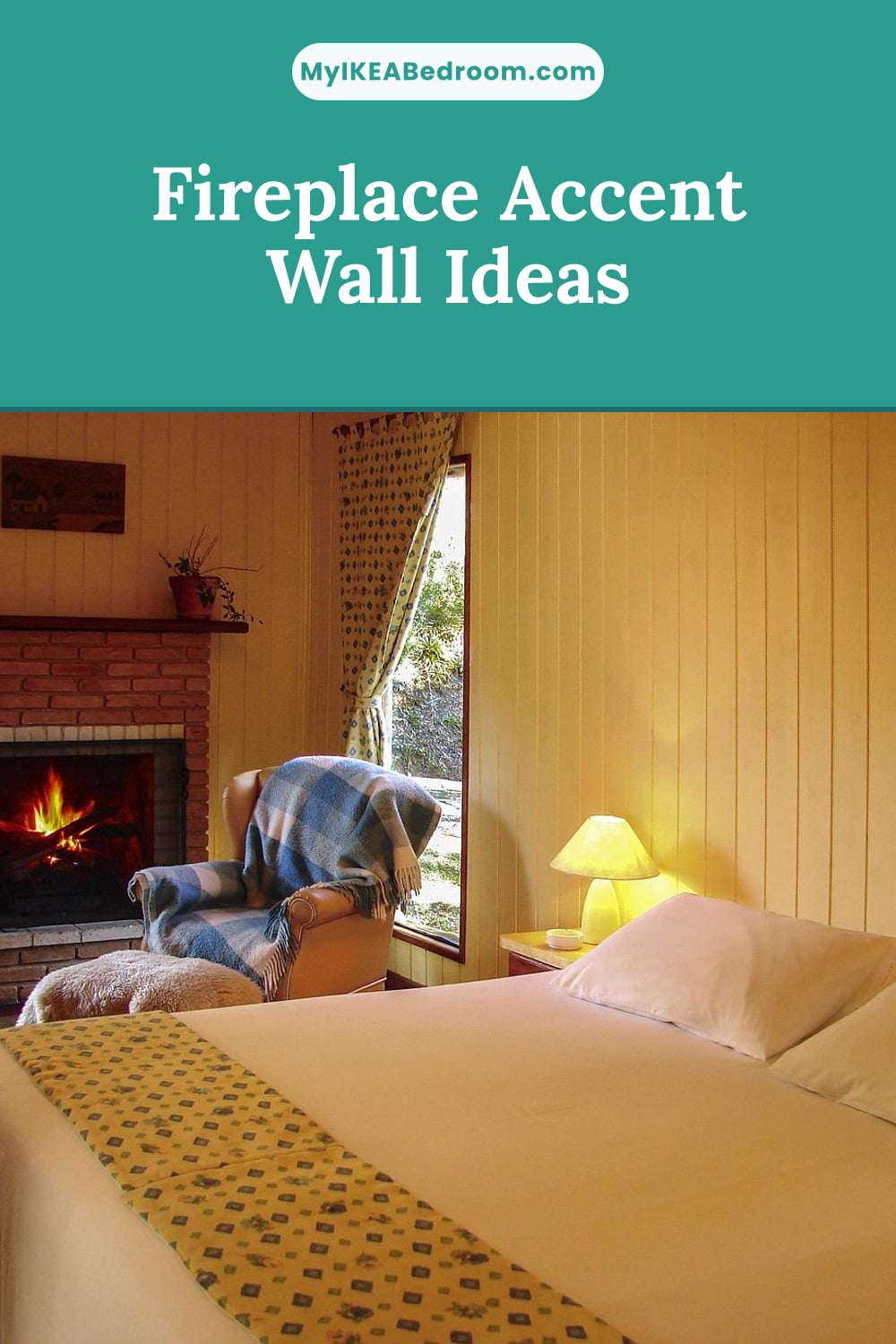
A fireplace accent walls can transform an ordinary living room into a space that people wants to stay in after the logs have finished burning the woods. A fireplace accent wall becomes a fireplace accent wall when it is chosen to act as an anchor for the room, when it is chosen to draw the eye of people in the room, and when it is chosen to dictate the mood of the objects in the area surrounding the fireplace. A good fireplace accent wall will feel like the wall has always belonged in that location within the home.
However, a poor fireplace accent wall may create conflicts between the accent wall and the furniture, the accent wall and the lighting in the room, or even create conflicts between the accent wall and itself. The difference between a good and a poor fireplace accent wall usually comes down to choosing the correct approach for your home instead of choosing a fireplace accent wall approach because a specific style is currently trending on social media. The fireplace in your room is a natural focal point for your living area.
Any material that you choose to add to the accent wall behind or around your fireplace will either create an improvement to the presence of the fireplace or it will compete with the presence of the fireplace. The following ideas can help you to make your fireplace accent wall decision. Each material for your accent wall has its own personality and considerations for your home and it’s needs.
When choosing the perfect material for the accent wall behind your fireplace, pick a material that suits the way in which you and your family live in the room. One of the most popular choice for a fireplace accent wall is stone. No other material can replicate the feeling that stone and fire can exist together naturaly in the same room.
Great Material Ideas For Your Fireplace Accent Wall
1. Stone
A floor-to-ceiling veneered accent wall made of irregular fieldstone comes in a variety of colors, such as soft grays and browns. Such stone accent walls allows for natural deep depths in the wall that change with the changing of the light in the area. The natural shapes of the stone ensure that the accent wall does not appear flat in the area.
However, stone is a heavy material, so make sure that your contractor checks the structural load of the accent wall before you choose a ledge stone for your fireplace.
2. Painted Brick
If you are looking for something more moddern in your living room, you can opt for painted brick for your accent wall behind the fireplace. Using whitewash on existing brick allows the whitewash to reflect the light in your room, but the whitewash also permits the brick to be seen.
Use a warm off-white color for your painted brick accent wall so that it does not compete with the flames in the fireplace. This choice works best for smaller rooms since stone is a darker material that could appear too oppressive for a small living area. The maintenance with painted brick is minimal requiring only an occasional touch-up every few years, which is another reason why busy homeowners may opt for this material.
3. Reclaimed Wood
Another option is to use reclaimed wood. You can use wide planks of reclaimed wood from old barns and warehouses as an accent wall behind your fireplace. Installing planks horizontally above your mantel will allow the reclaimed wood accent wall to add warmth to your living room on cool winter nights.
Installing vertical reclaimed wood boards from floor to ceiling will allow the wall to create the illusion of height in your living room, which is helpful for homes with eight-foot ceilings. Reclaimed wood naturally darkens over time, so make sure to consider this when choosing your wood. For example, using driftwood gray reclaimed wood will darken over time to a caramel color that may impact the color of the rest of your room.
4. Concrete
Concrete is another material that creates a sleek and industrial look for your living room. Smooth concrete panels adds a quiet element to your living room once the concrete is installed. The thermal mass of the concrete will help the concrete to radiate heat from the fireplace into the living room after the fire has been extinguished.
This benefit of the material comes from the physics of concrete. Smooth concrete panels can be installed as a floor-to-ceiling panel that creates the illusion of one continuous piece of concrete instead of a collection of concrete panels. However, expect the concrete to display every fingerprint on your living room wall until it is properly seal with a sealant.
5. Ceramic Tile
Ceramic tile is another material choice that may differ from the shiny ceramic tiles that were used in living rooms throughout the past decades. Using large-format porcelain tiles in a herringbone pattern can create a material that appears to be marble. Porcelain tiles are less costly and weigh less than marble tiles.
Using a contrasting color for the grout between each ceramic tile will allow the grout lines to become a part of the accent wall behind the fireplace. Alternatively, using a tone-on-tone color for the grout will make the grout lines nearly dissapear in your living room. Ceramic tile is a practical choice for a living room that may be used by young children since ceramic tile can stand up to both heat from the fireplace and the fingers of young children.
6. Mirrored Glass Panels
Mirrored glass panels adds an element of magic to your fireplace accent wall. Using narrow vertical strips of antiqued mirror on either side of the fireplace will allow the mirror to reflect the flames of the fire. The antiqued mirror will darken the reflection of the fire to resemble candlelight.
Mirrored glass accent walls work well for living rooms that do not recieve much natural light or for living rooms with small sizes due to their architecture. The downside of using mirror for your accent wall is that it will require more frequent cleaning than any of the other materials mentioned. You will need to have a microfiber cloth nearby to clean the mirror behind your fireplace.
7. Bookcase
Using a bookcase around your fireplace can help to integrate the fireplace with the other elements of your living room. Using built-in shelves on either side of the fireplace will allow you to store item in your living room. Painting the bookcase the same deep navy color as the walls will make the fireplace appear as a glowing surprise in the living room.
Installing picture lights above the shelves will allow different lighting levels to be created throughout the living room throughout the evening. Make sure that you leave some negative space within the bookcase for your books so that the living room does not appear to contain an oversized library. Editing the books in the bookcase ruthlessly will make the bookcase look more intentional in the living room.
8. Wallpaper
While it might seem unusual for a living room to use wallpaper next to an open flame, wallpaper choices can transform your living room. For example, a delicate botanical wallpaper print in muted tones will allow your room to have a touch of personality without distracting from the fireplace. Modern, non-woven wallpaper will stand up to heat better than older varieties of wallpaper.
However, you will still want to maintain a distance between the wallpaper and the actual fire. The advantage of wallpaper is that renters or people who live in temporary homes can choose it. When it is time to move into your next home, you can remove the wallpaper from the wall.
9. Recessed Niche
The last approach to choosing an accent wall behind your fireplace may be the most radical of all. Choosing to remove material from the wall might seem like the opposite of an accent wall. However, by creating a recessed niche behind the fireplace and painting the niche black, the fireplace will appear to be floating in the living room.
The black painting will allow the flames of the fireplace to appear to burn more brightly behind the fireplace. This approach requires creative thinking about the depth of the mantle on which the fireplace rests. However, this approach will create an accent wall for your living room that does not incorporate any decorative elements into its construction.
Regardless of which of the choices are made for your living room, one thing that should be considered is the importance of the fireplace once flames begin to dance across the fire. When you walk into your living room on a random Tuesday in July, your fireplace accent wall should appear to belong within the living room and your home. This element can be tested by sitting in the empty space behind the fireplace prior to making a decision on an accent wall material.
Bring samples of each of the materials to your home and live with those samples for one week. The material that still fits in your living room after the seventh day is the material that will best warm your home for many years.
