
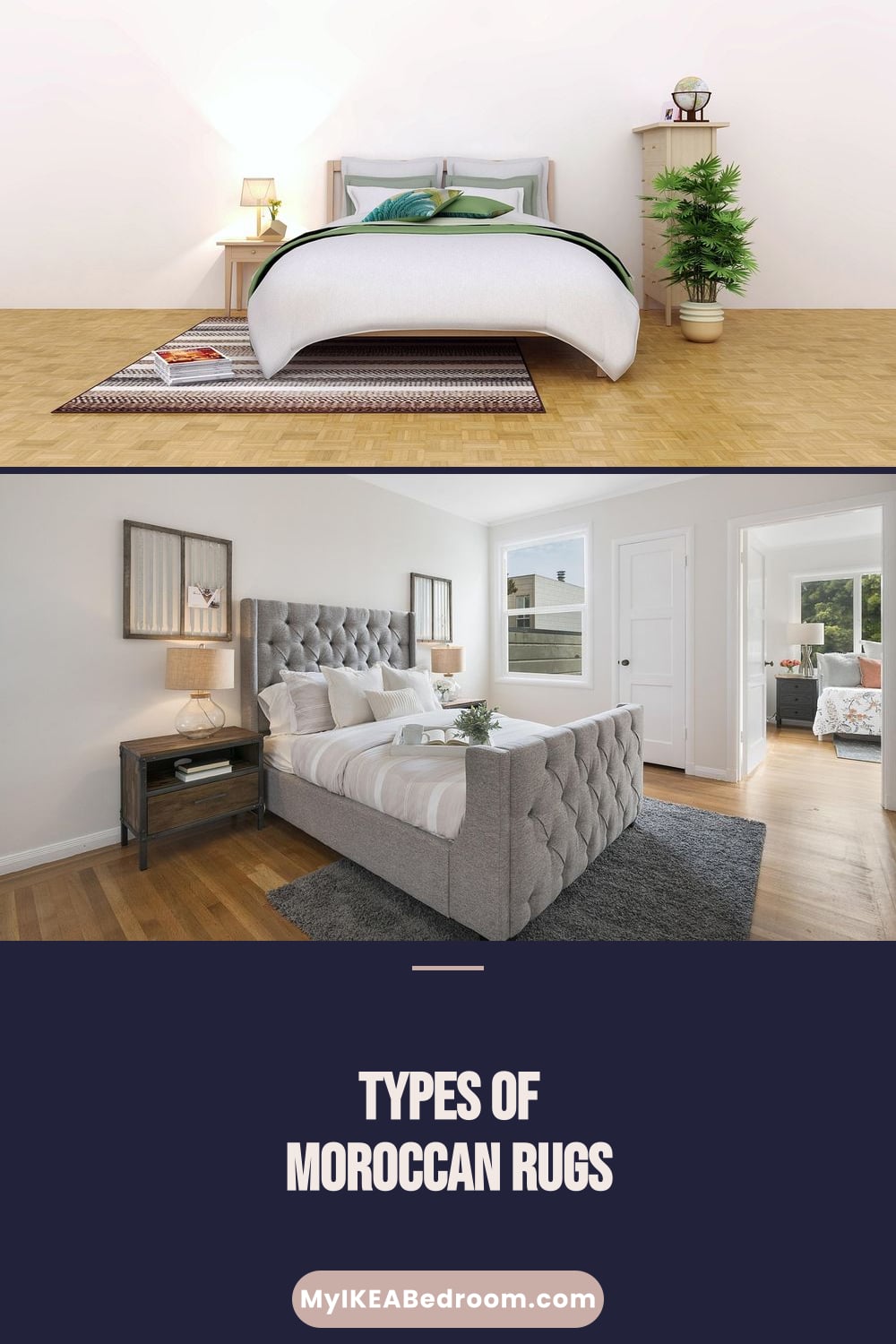
Moroccan rugs have the potential to cause a person to stop walking. Whether a person is walking through the souk in Morocco, or whether a person is scrolling through several pages of online home decor shops, Moroccan rugs will eventually catch a person’s eye with there distinctive geometric patterns and dyes. Beyond the rugs that are sold in the souks of Morocco, each of these rugs have a story of where they came from, and the stories that they carry within them.
Each of the various types of Moroccan rugs has its own specialness due to the story that it tells. Some of the rug designs appear to be abstract art designs. Other rugs appears to be representations of the mountains within Morocco.
Yet other rugs include symbols used within the nation to represent protection from the evil eye. Once a person becomes familiar with the different types of rugs within Morocco, a person will never look at a Moroccan rug the same again. A person dont need to have an extensive knowledge of Moroccan rug designs to purchase one that a person desires for the home.
By becoming familiar with the different types of rugs, a person can purchase a rug that best fits the space within the home. Furthermore, by understanding the rug types of Morocco, a person can also show appreciation for the craftsmanship required to create these rugs. The varieties of rugs that originate from Morocco include the Beni Ourain, the Azilal, the Boujad, the Chtouka, the Mrirt, the Rehamna, the Talsint, and the Zemmour rugs.
Common Varieties of Moroccan Rugs
1. Beni Ourain
Each of these rug types has its own design elements, uses its own types of wool, and includes its own distinct design features that separate it from the other types of rugs. Moroccan Beni Ourain rugs originate from the high mountains within the Atlas range of Morocco. The Berber tribes that reside in these high mountains have sheared their sheep for many generations, and use the naturally shed wool to create their Beni Ourain rugs.
These rugs do not use any dyes to color the wool, and the colors of the rugs are limited to shades of ivory, cream, and brown. The rugs often contain patterns of diamonds, crosses, or lines. These rugs contain the wool of the Beni Ourain tribe’s sheep, which is shaggy in texture.
The shaggy nature of the wool causes these rugs to be approximately two inches in thickness, which causes them to feel as if a person is walking on a cloud. Berber tribes traditionally created these rugs as blankets to lie upon during the winter months within their homes in the mountains. Thus, the density of the wool makes sense with the intended use of the rug.
While the rug may feature the wool of the Beni Ourain tribe’s sheep, the rugs may shed when first purchased. In addition, the authentic versions of these rugs that are over many years may require the care of a person that desires to maintain the wool in its intended state. Yet despite these considerations, the rug will last throughout the years.
Thus, a person that desires a rug that will improve over time with age, as well as a person that desires a rug that includes a story within it, will find that the Beni Ourain rug rarely disappoints.
2. Azilal
Moroccan Azilal rugs originate from the Azilal province of Morocco. The province is located in the southern portion of the Atlas Mountains of Morocco.
Unlike Beni Ourain rugs, the rugs that are created within the Azilal province often use wider looms to create the rugs. Because of this wide loom, the rugs appear to have a bolder and more irregular appearance than those of the Beni Ourain rugs. The colors of the rugs tend to be bright colors, such as oranges, yellows, and greens, against backgrounds of cream or gray.
The women within the tribe traditionally use the scraps of colored wool that are provided to the weavers of the rugs. The designs within the rugs may appear to have been created through the use of a drawing tool, as opposed to the rug weavers using graph-based design plans to create them. Thus, the rugs appear one-of-a-kind, as opposed to rugs that may share the same design due to the use of a standardized plan.
Thus, many collectors of rugs value these types of rugs due to their individuality. The rugs tend to be more common within moddern homes, where the rug does not necessarily need to coordinate with the color of the sofa within the home. The rugs often utilize a flatter weave than the Beni Ourain rugs, which allows them to be used in areas of the home that receive high traffic.
In addition, the use of natural wool within the rug means that it is less likely to become covered in crumbs that may sit within the rug.
3. Mrirt
Mrirt rugs are similar to the Beni Ourain rugs in their origin. Both rugs originate from the Berber tribes of Morocco’s High Atlas Mountains.
The Mrirt rug, however, is obtained from a group of villages located near the village of Mrirt. The Mrirt rugs are often larger than other rugs that are produced within the region. Thus, a Mrirt rug may measure twelve feet in length or more.
The designs for Mrirt rugs are more bold within the Mrirt villages than other rugs of the same region, and often include thick black lines or deep brown lines against the ivory color of the rug. Beyond the design differences between Mrirt and Beni Ourain rugs, Mrirt rugs use wool that has exceptional quality within the rug. The wool within Mrirt rugs has a high density in the rugs pile, meaning that the wool is knotted in such a way that the rugs feel substantial yet airy in texture.
Thus, the rugs are ideal for the large living rooms or lofts in the homes of Mrirt tribes. Due to the size of the rugs, two individuals may require to move a Mrirt rug that is ten feet in length by fourteen feet in width. Therefore, before a person purchases a Mrirt rug, the individual’s home doorway should be measured to ensure that the rug will fit within the doorway of the home.
After purchase and placement within the desired spot in the home, though, the rug may be used in that spot for the next twenty years.
4. Rehamna
Rehamna rugs originate from the plains that lie between Marrakesh and the coast of Morocco. These rugs utilize a combination of wool and camel hair in the rugs.
The use of camel hair contributes to the golden hue of the rugs, as well as their durability. Rehamna rugs use designs of repeating diamonds or checkerboards, colors of earth tones like reds and browns. Camel hair is naturaly resistant to getting dirty.
Thus, the Berber tribes that use these rugs as they travel from home to home within the desert and surrounding lands of Morocco find utility in these rugs. Because of this inherent durability of the rugs, a person that owns one of these rugs may find that it requires less frequent vacuuming than other rugs. Thus, the rug is ideal for a hallway in the home, or an entryway door that is accessed by muddy boots and shoes of traveling family members.
The texture of the rugs is somewhere in the middle between a flatweave rug and a low pile rug. Therefore, these rugs are ideal for those who place dining chairs within the rug. In addition, because Rehamna rugs have the texture that they do, they can be layered upon other rugs of similar thickness.
Thus, another reason why people may desire to acquire one of these rugs is due to their compatibility with other rugs in the home.
5. Talsint
Talsint rugs are some of the rarest of Moroccan rugs to find. Women traditionally weave these rugs in the remote villages of the eastern portion of the High Atlas Mountains.
The rug features intricate details within the rug that may resemble embroidery designs. These embroidery designs may include flowers, stars, or other symbols that are used as amulets within Morocco. The base color of the rug is deep charcoal or chocolate brown colors.
Fewer and fewer weavers in these regions use this specific rug design and technique. Thus, a person that collects rugs may desire to acquire one of these rugs to include within their collection. Another reason for which a person may seek to acquire a Talsint rug is its rarity.
Thus, after a person searches for the rug for several months, the rug may finally be acquired. However, once an individual owns a rug, the rug is likely to be featured in the same spot within the home as it is appreciated for its intricate details and fine work by the weaver.
6. Zemmour
Zemmour rugs originate from the Middle portion of the Atlas Mountains. The rugs feature strong geometric design elements that originate from both Berber and Ottoman rug designs. The colors of the rugs are dominated by deep red colors as well as deep blues. These rugs have thickly-woven wool in the rugs, which has a short pile in the rug.
Thus, Zemmour rugs are ideal for those that wish to use a rug that does not feature any bulk in the rug. The natural dyes that are used in these rugs will fade gracefully over time for the rug, as opposed to fading to a light color. The slow fade of the rug over time is one of the features of the rug that may appeal to potential rug owners.
In locations within the home that require focus, like a library or a reading room, the rug may be purchased. Additionally, the rug features colors and shapes that contrast well with the designs of mid-century furniture in the homes. Thus, this rug type shows how tradition and modernism can each be utilized in the same space within a home.
Based off these various rug types that exist within Morocco, a person may have an appreciation for each of the rug types. Thus, when a person enters the market for rugs of Morocco, a person may consider their different spaces within the home, as well as the rug designs that they value most. For instance, some people may value rugs with the comfort of wool that feels good under their feet.
Other individuals may value rugs that include geometric designs that contrast with the furniture in their home. The joy that a person experiences is the joy that occurs when a person finally unrolls the rug that feels right about the rug that a person created. The joy occurs when a person realizes that a person has brought home more than just a rug.
A person has invited many generations of skilled hands into a home, and a person has invited many mountain stories into a home. Such a connection is worth every knot that was made in the creation of such a rug.
