
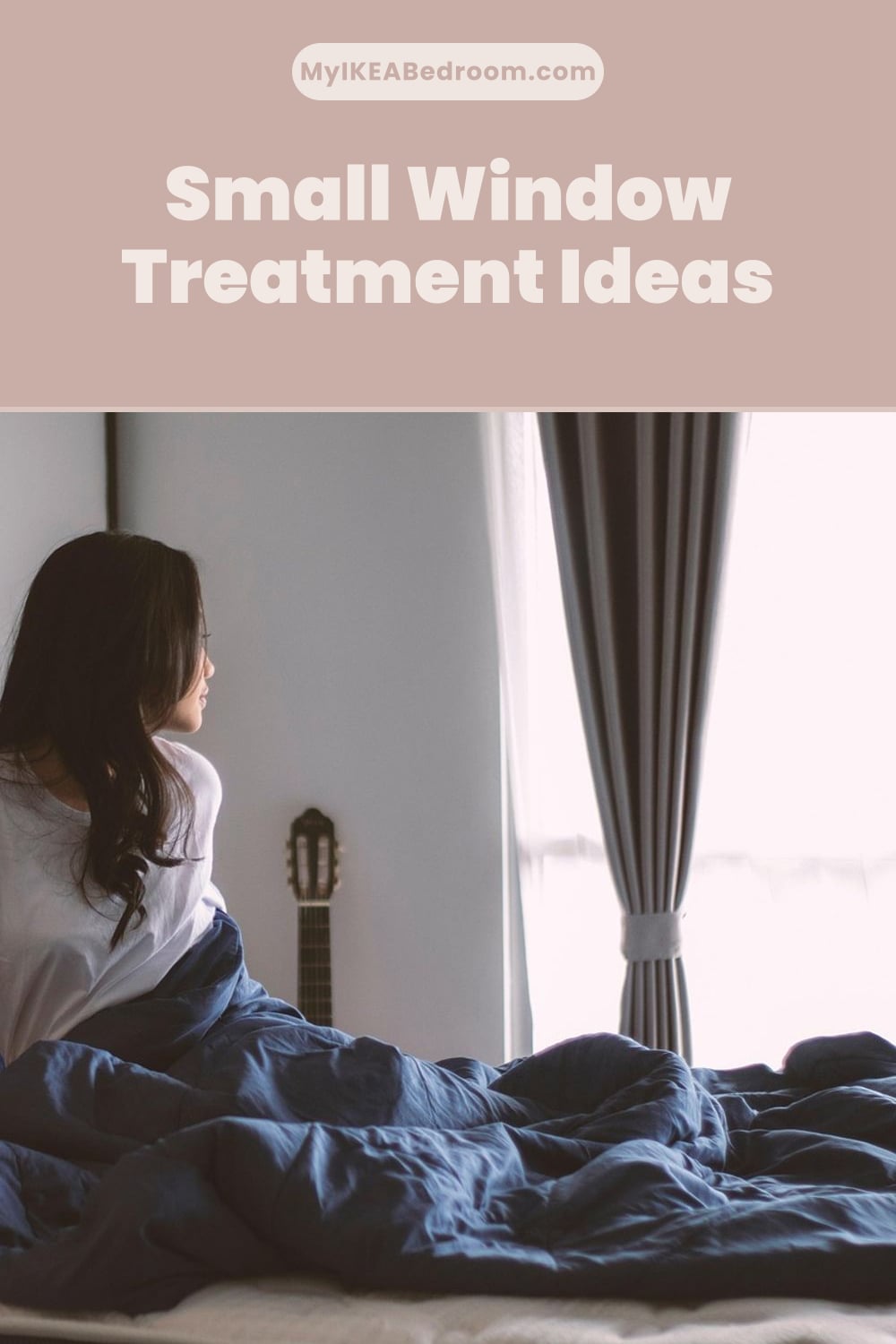
Small windows can sometimes be an afterthought for home owners when designing their rooms. Part of the issue with small windows is that small windows often come in the form of narrow slits that dont allow much light into the room. Small windows can also be challenging to dress apropiately because window treatments may look awkward on small windows, and the treatments may cover the small viewing area that one have from that window.
However, with the right window treatments for small windows, these issues can be avoided. A good window treatment for a small window adds character to the room without taking away from the square footage of the room. Using the right window treatments for small windows means working with the proportions of the window instead of fighting against them.
Once one stops thinking of small windows as problems, there are numerous opportunities to enhance the small windows in a home. Small windows can be solved in a variety of ways, and each of these solutions can add a touch of personality to a room that large windows often cannot. Regardless of the type of home that one owns and the challenges that small windows present to dressing them apropiately, there are a variety of ideas that can be used to enhance the small windows in a residence.
Great Ideas For Dressing Small Windows
1. Café Curtains
Café curtains are a great option for small windows because one can hang the curtains midway down the small window. These curtains will cover the lower portion of the window for privacy but will allow the rest of the window to remain open to allow the most amount of daylight into the room. The half-and-half curtains provide structure to the small window treatment and make it look more complete than if a small window had only half of the curtains on the window.
2. Linen and Cotton Fabrics
Linen and cotton fabrics in a soft pattern will allow the treatment to move in the breeze in the home. The movement of the treatment will add a touch of life to the room. If complete blackout is required for the windows at night, one can add a roller shade to the window treatment to solve this problem.
3. Roman Shades
Roman shades in a miniature scale can also work well in the treatment of small windows. Using a fabric with a subtle texture for the Roman shades will allow the treatment to look elegant and provide visual interest to the small window without taking away from the proportions of the window. You can mount the Roman shades within the window frame to minimize visual clutter or outside the frame to add to the visual width of the rooms features.
The Roman shade also provides an advantage in that its hardware is out of sight and can be a small benefit in the context of a small window treatment. Additionally, the Roman shade will allow the proportions of the small window to remain intact since they will not bulge when open. Roman shades in small windows may pose a challenge if the windows are too deep in relation to the height of the treatment.
In such cases, the pleats of the shade can be deeper to allow for breathing room.
4. Sheer Vertical Blinds
Sheer vertical blinds may seem like an old-fashioned treatment for windows, but using sheer vertical blinds from floor to ceiling will make the room feel like the window is taller then it is. The sheerness of the blinds will allow the most amount of light into the room from outside the room.
Additionally, the sheerness will allow the owner to have a vague viewing of the outside world from within the residence. Using sheer vertical blinds will allow for the light to filter into the room naturaly. Additionally, sheer vertical blinds will not have the bulky return to the sides of the window that some horizontal blinds will present.
Sheer vertical blinds in small rooms will have the same color as the rooms walls to make them nearly invisible when open. This is the goal of any person who chooses this type of blind treatment.
5. Window Film
Window film with frosted or etched patterns can be used to give a small window the appearance of having more depth.
The film will allow the owner to have privacy with the outside world. Additionally, the film allows for the small amount of light to enter the room. The advantage of using film instead of blinds or shades is that there will be no fabric or hardware for the treatment.
Therefore, it will not eat into the small amount of square footage that the small window provides for the residence. Additionally, film treatments will mimic the leaded glass or the geometric patterns in the residence. These treatments will require no maintenance to look good, and the film will not sag or fade with time.
This type of treatment is ideal for renters who cant drill into the windows to install hardware. However, the film has to be of high quality so that it does not ruin the appearance of the window.
6. Box Valances
Box valances can be used to add architectural interest to a room without obscuring the view from the small window.
One can paint the box valances the same color as the trim in the room or can adorn them in a print that contrasts the color of the window treatments in the room. Additionally, the depth of the valance can be no deeper than four or five inches so that it does not add to the visual clutter of the small room. Box valances are ideal for the period homes in which the original millwork will be preserved but the small window needs to be treated for privacy.
7. Layered Treatments with Side Panels
A roller blind or a cellular blind can be added to the treatment with the box valance so that the small window has a treatment that will serve its purpose. Another idea is to use layered treatments that use a Roman shade and side panels. The Roman shade will add visual interest to the small window and allow for the control of the amount of light entering the residence.
Additionally, the side panels can add softness to the small opening of the rooms windows. One can hang the side panels on rods that extend beyond the frame of the window so that they do not obstruct the viewers sight lines. Additionally, the panels should have a fabric weight that drapes well but does not overwhelm the small window.
The hardware for the side panels can be mounted as close to the ceiling as possible so that the viewers eye travels vertically into the treatment. The side panels can use fabrics of a similar color but of different textures to the Roman shade to add visual interest to the small window. The visual interest will make the guests to the residence to stop and admire the small window treatments.
8. Trailing Plants
One of the most organic solutions to treating a small window is the use of trailing plants on a shelf mounted above the window. Such plants as pothos or ferns will add greenery to the residence and will frame the small window with the growth of the plants. Additionally, the plants will filter the light that enters the residence from outside the windows and will improve the air quality in the residence.
In the case that there isnt much space for a shelf, the addition of a single orchid or air plant to the windowsill will provide a similar benefit. The plants will change throughout the year with the seasons that pass, which the other treatments will not do. The downside to using plants will require watering them so that they maintain their health.
However, the benefit of the changing, organic element to the residence is worth the effort required to water the plants.
9. Mirrored Panels
Another idea is to use mirrored panels that are cut to the size of the windows. These panels will reflect the light in the room and the views from the opposite windows in the residence.
This treatment will work best in the dark hallways of the residence. Additionally, the addition of the mirrored panel will allow the viewer to see the opposite windows in the residence. Furthermore, if the panel is framed with molding that matches the trim in the residence, it will look like part of the architecture of the residence.
The downside of the use of the mirror is that the small window will no longer be easily opened to allow for ventilation in the room. Therefore, this treatment is best used in areas of the residence that do not need to be easily ventilated.
10. Tie Up Shades
Lastly, tie-up shades can be used in small windows.
These shades allow for the adjustment of the amount of light entering the window on any given day. The ties on the bottom of the shade allow for adjustment to the amount of light entering the residence. Additionally, handmade tie-up shades will have an asymmetry in their design that is seen as charming.
The fabric used for these shades should have a bit of body so that the fabric will not droop from the weight of the shade. Tie-up shades work best in kitchens so that the adjustment of the light in the kitchen can be accommodated for cooking tasks. The best treatments for small windows will respect the architecture of the residence.
Small windows may be challenging to work with in terms of light and the treatment of the windows, but there are a variety of treatments for small windows that can enhance the small window instead of disguising it. By looking at the small windows in the home with fresh eyes, there may be an opportunity to enhance the small windows that one may not have noticed. The best treatment for small windows will not just fix the problem but will provide a small window treatment that people will remember once they visit the residence with the treated small windows.
