
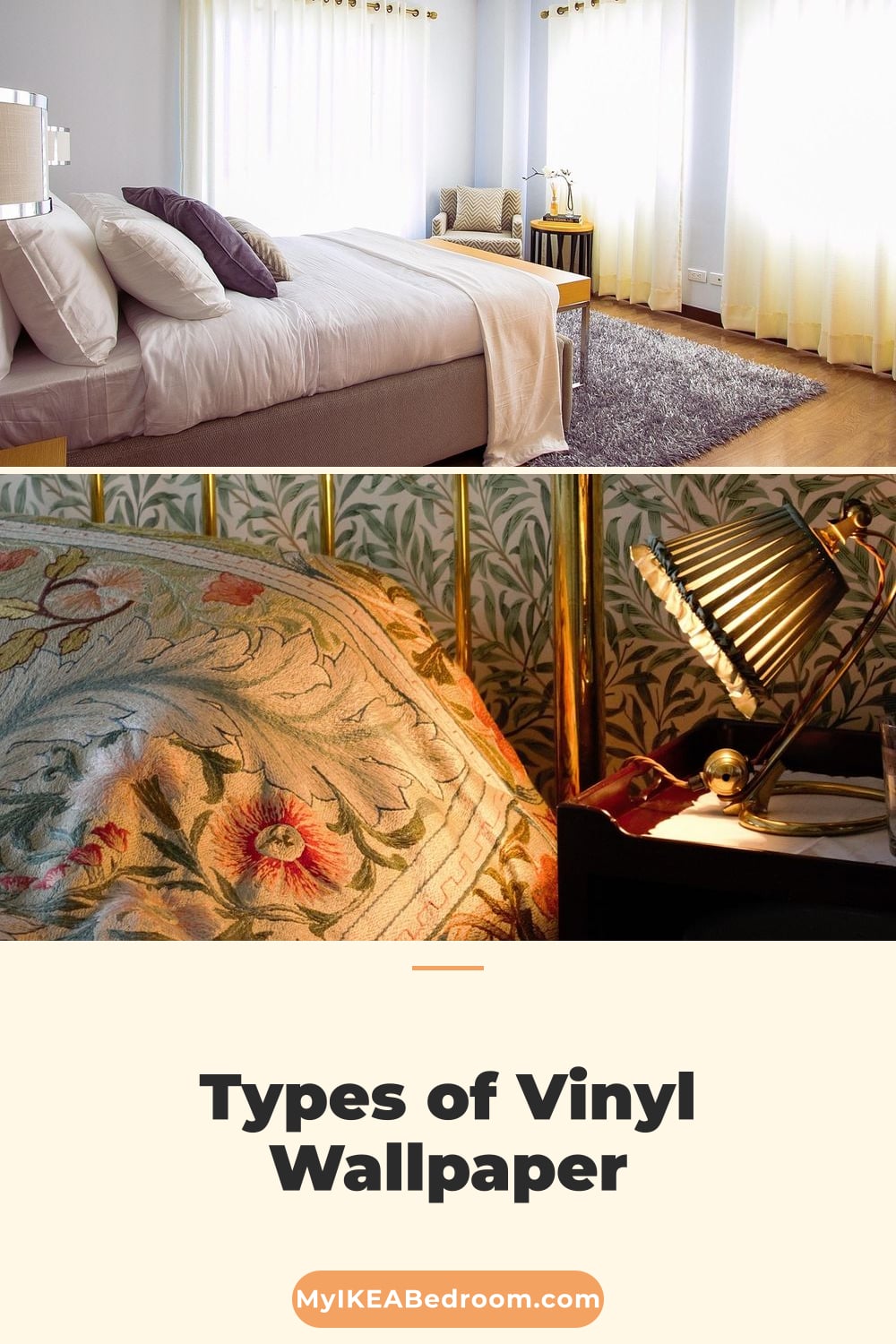
Vinyl wallpaper can change the appearance of a room in quiet manner. Vinyl wallpaper is tough enough to stand up to the steam that comes from a shower. Vinyl wallpaper is tough enough to stand up to sticky fingerprint from toddlers.
Vinyl wallpaper is tough enough to stand up to a splash of spaghetti sauce. Vinyl wallpaper can be as refined as silk or as wild as a hand-painted mural. When people start to search for vinyl wallpaper, they will find that there are many varieties of vinyl wallpaper available for people to purchase.
Most people think of shiny vinyl wallpaper when they think of the material, but vinyl wallpaper come in many forms and many functions. By understanding each of the different varieties of vinyl wallpaper, people can avoid purchasing a product that will look great but fail in six month time. They can also avoid purchasing a product that will take abuse but still look like a hospital when they walk into the room.
The differences between vinyl wallpaper varieties comes down to how the manufacturer makes the vinyl layer. Some vinyl wallpaper has its vinyl made thicker than others. Furthermore, the manufacturer can print the vinyl on different materials, and each type of vinyl will behave differently when installed on a wall.
By learning about each of the different types of vinyl wallpaper, people will find that there is an ideal product for each room in there house.
Common Varieties of Vinyl Wallpaper to Consider
1. Solid Vinyl Wallpaper
Solid vinyl wallpaper is a type of vinyl wallpaper that features a thick layer of polyvinyl chloride or PVC material that is printed with different textures. Solid vinyl comes on either a paper or fabric backing.
Because the vinyl portion of this wallpaper product is the portion that contains the color and design for the vinyl paper, solid vinyl wallpaper is resistant to water, grease, and scratches. You can find solid vinyl wallpaper in kitchens, bathrooms, and hallways. Solid vinyl wallpaper isnt breathable so it requires a mold-resistant adhesive.
Additionally, the wall upon which the wallpaper will be installed must be dry. Under the proper conditions, solid vinyl wallpaper can last for fifteen year without developing any issues. For areas that receive the most sunlight in the house, such as a breakfast nook, solid vinyl wallpaper may not be the best choice.
Vinyl wallpaper of this type often has a slight sheen to its surface that may reflect the sunlight in a manner that natural materials do not reflect the light. However, manufacturers of solid vinyl wallpaper have created versions of the product that feature a matte finish and textures that are more realistic represented, such as linen or grasscloth textures.
2. Foamed Vinyl
Foamed vinyl, also known as expanded vinyl or blown vinyl, features air pocket in the vinyl as it is being manufactured.
These air pockets allow the vinyl to have a raised texture after it is manufactured that is similar to embossed leather, carved plaster, or linen. Foamed vinyl is lighter than solid vinyl but still accepts heavy amount of scrubbing to remove dirt and debris. Because the foam texture helps to hide the imperfections of drywall, contractors often use foamed vinyl wallpaper in older homes whose drywall may feature imperfections.
However, because the texture of the foamed vinyl may collect dust in its crevices, foamed vinyl is not an ideal choice for workshops or homes that has several dogs whose fur may shed in those areas. For the remainder of the home, however, foamed vinyl will stand up well to the elements and will require only occasional vacuum cleaning to maintain its appearance.
3. Vinyl Coated Wallpaper
Vinyl-coated wallpaper features a thin vinyl or acrylic layer applied to plain paper after the designer has printed the design of the wallpaper on that paper.
Vinyl-coated wallpaper can be used in bedrooms, living rooms, and lightly used bathrooms. Vinyl-coated wallpaper accepts ink and features print designs that may take the form of watercolor, florals, or even geometric designs that would be impossible to print on vinyl wallpaper of thick vinyl. The downside to vinyl-coated wallpaper is that it is less durable than solid vinyl or foamed vinyl.
A toddler using crayons or a cat that likes to leap onto the living room curtains may damage vinyl-coated wallpaper. For these reasons, vinyl-coated wallpaper may be better suited for areas of the house that do not experience much physical abuse. However, vinyl-coated wallpaper features the appearance of refined designs that will perform well in any room.
All that must be done is to treat these wallpapers with a bit more care than the other types of vinyl wallpaper.
4. String Vinyl
String vinyl, also known as fabric-backed vinyl with visible thread textures, features vertical or woven threads embedded into the vinyl wallpaper. These threads add dimensional interest to the wallpaper as they may change with the change of the light in the room.
Furthermore, the texture of string vinyl wallpaper may help to hide the imperfections of drywall. Another benefit to string vinyl wallpaper is that the threads will slightly muffen the sound that enters the room. This benefit may be useful for those who live in apartments or who have young children in their households that may enjoy noisy activity in the playrooms of those homes.
The vinyl also prevents the strings of string vinyl from fraying or staining upon contact with the walls. However, if the threads are pronounced, the wallpaper may not be able to be installed in a manner that hide the seams between sections of the wallpaper. A good installer will ensure that they drop the seams in a way that hides them from view when the individual stands back from the wall.
Additionally, a seam roller will help to ensure that they is installed correctly.
5. Moisture Resistant Vinyl Laminates
Moisture-resistant vinyl laminates are vinyl wallpaper products that are marketed to be installed in bathrooms. These laminates have vinyl that bonds with a fiberglass or synthetic paper backing.
This vinyl is resistant to water even at the seams of the laminated wallpaper. These wallpapers may be marketed as options for full bathroom installations and may even include the area around the bathtub or shower if the manufacturer states that the product is approved for those areas. Additionally, the print designs for these vinyl laminates may include designs that emulate watercolor art, marble, and even tiles that may be used to create the appearance of a spa in the bathroom of a home.
To ensure success with moisture-resistant vinyl laminates, the back of the wall must be perfectly flat and the wallpaper adhesive must be specially formulated for vinyl laminates that will not delaminate when exposed to high humidity levels in the bathroom. If not installed properly, moisture-resistant vinyl wallpaper will eventually begin to lift from the wall after many long hot showers. When installed properly, these vinyl laminates will endure the humidity of the bathroom and retain their appearance.
6. Self Adhesive Vinyl Wallpaper
Self-adhesive vinyl wallpaper, also known as peel-and-stick vinyl wallpaper, features a vinyl material that has an adhesive applied to the back so that it can be positioned on a wall without the use of wallpaper paste. The convenience of this type of wallpaper makes it an ideal option for renters whose landlord does not allow wallpaper paste or for individuals who would like to quickly change the wallpaper in a child’s room every few years. Self-adhesive vinyl wallpaper is thinner than solid vinyl wallpaper and more flexible so that it will not develop creases around the corners of a room.
However, peel-and-stick vinyl is not as thick as solid vinyl so it may not be as scuff-resistant as solid vinyl. Additionally, air bubbles may form if the installation is not performed correctly. Self-adhesive vinyl may also pull thin layers of paint off the wall.
For these reasons, peel-and-stick wallpaper is an ideal option for weekend projects or temporary installations in areas of the home where a change of wallpaper is desired but no commitment is made to the particular area of the home.
7. Textured Vinyl Composites
Textured vinyl composites are vinyl wallpaper products that include texture that may include wood grain, metallic designs, or even simulated brick. These textures are heat-set into the vinyl so that they are permanent throughout the life of the wallpaper.
Textured vinyl wallpaper is available in larger rolls to minimize the number of seams that appear in the room. Because textured vinyl wallpaper is thicker than other types of vinyl wallpaper, a stronger adhesive is required to adhere to the wall. Sometimes a liner paper is also applied to the wall so that the texture of the vinyl does not directly contact the wall.
Additionally, textured vinyl wallpaper may fool the eye from a distance so that someone walking by the room will not notice it is vinyl. In homes that have high traffic or high humidity, vinyl products with textured designs will not warp or stain like real wood or brick would. These types of vinyl products have become the show-offs of the vinyl wallpaper family because they have even solved the issues that previously caused individuals to opt for plain paint for their walls.
No matter which type of wallpaper a person decides to purchase, the best choice of vinyl wallpaper will depend upon the way in which the room is to be used. For instance, a kitchen may require wallpaper that can stand up to steam and splatters of food. A more formal sitting room may take vinyl wallpaper that is thinner to allow for more delicate designs.
A bathroom may be an area where moisture-resistant vinyl wallpaper could be used. Additionally, a bedroom that is rented could benefit from self-adhesive vinyl wallpaper. Choosing the perfect type of vinyl wallpaper comes down to understanding the different needs of the various rooms in the house.
Once a person understands the balance between the toughness and the appearance of vinyl wallpaper products, then the individual will find that their wallpaper is not just background in the room but is an essential part of the way the room perform its functions alongside the other areas of the house. This is the quiet effect that the individual was seeking when selecting vinyl wallpaper for the rooms of their home.
