
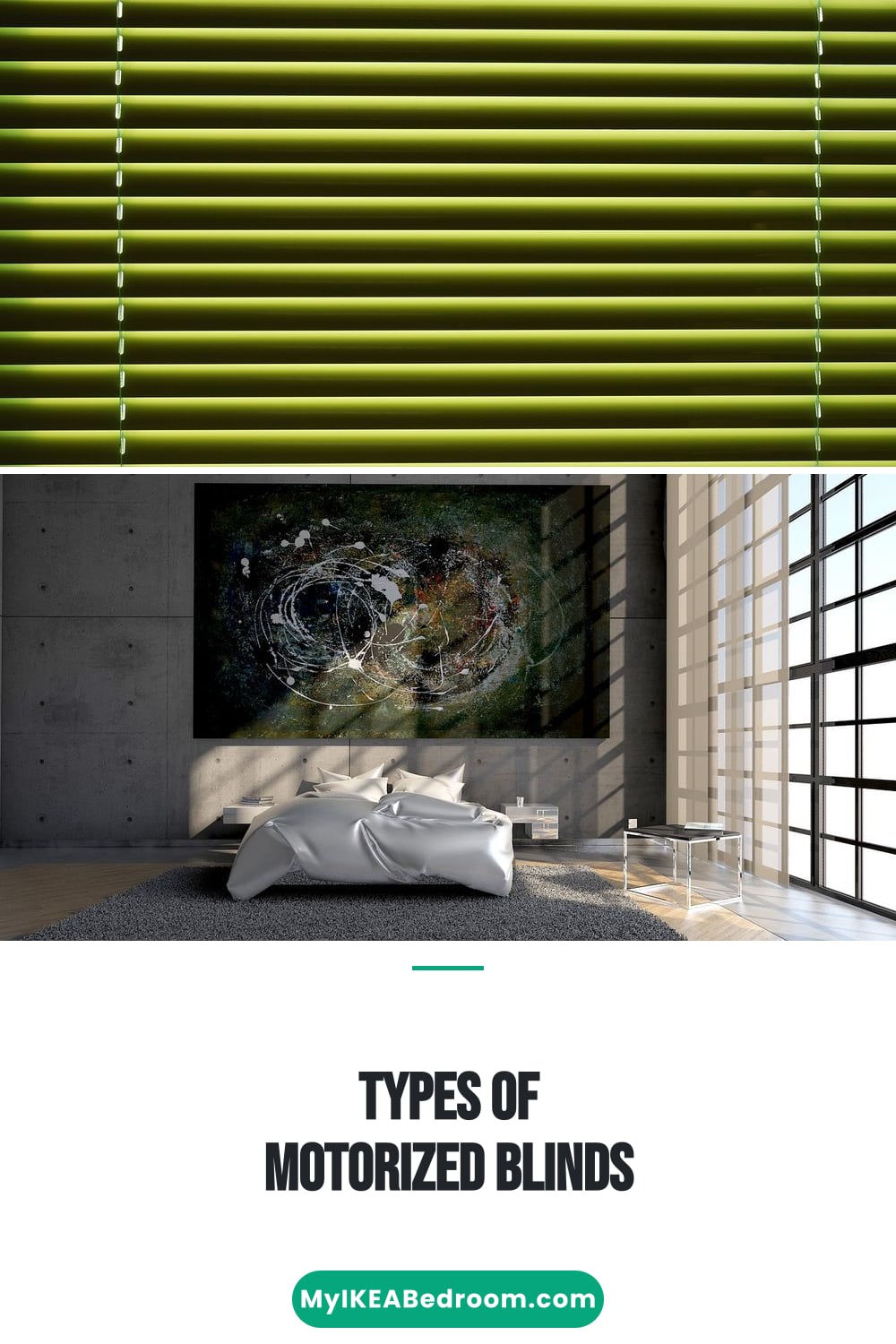
Motorized blinds has changed the way that people operate their homes. Instead of having to personally pull on the cords or even climb onto a ladder to reach some of the windows that is positioned high up in the room, a person can tap on an application on an app or press a button on a remote control device, and the blinds will automatically open or close. The first time that a person operates motorized blinds, the experience can be significantly different from what a person may have experienced using manual blinds.
This difference in operation is especially notable within a two-story home when the blinds are located on either the living room windows or the bedroom windows that has clerestory windows. However, the significant advantages of motorized blinds begin to become apparent after the use of those blinds over many year. For instance, motorized blinds will result in fewer instances of broken strings, the windows will help to provide consistent temperatures within each room, and each person can use the motorized blinds to set the entire house to wake up or to settle down for the day, all from the comfort of there home.
Using motorized blinds may help a person to save energy. For instance, motorized blinds that automatically close at the end of the day will trap the heat within the home during the winter months or will block the glare from the sun during the summer month before the HVAC systems for each home begin to work to cool or heat the spaces within each residence. Furthermore, many smart home allow for voice commands to control motorized blinds, as well.
The technology behind motorized blinds has matured to the point where the reliability of those blinds as a technology is no longer a gamble for the homeowners or renters of these properties. For these reasons, the main decision that a person must make is which type of motorized blinds will work best for the different rooms of the house and for the different sized windows within those rooms. There are a variety of motorized blinds that solve a variety of problems for those who own homes.
For instance, manufacturers make motorized blinds with the potential to operate silently for use in bedrooms with infants or young children, while other motorized blinds have been constructed with the physical strength to operate oversized windows with commercial glass. A person can learn about the varieties of motorized blinds that exist in the market to ensure that the person avoids purchasing motorized blinds that do not match the function that they will perform within the home. The following are the options for motorized blinds that is available for purchase for a person.
Different Types of Motorized Blinds to Consider
1. Roller Blinds
Roller blinds that come with a tubular motor are some of the top choices for individuals that own homes. The slim metal tube that covers the motor and the blinds will make the roller blinds look clean in the home even if the blinds is raised. Roller blinds are best for covering large expanses of glass with a quiet operation.
Additionally, the tube protects the motor from the environment, as are the motor’s controls from children. This design of roller blinds with motors that are protected within the roller blinds results in a long service life of those blinds, which are used twice daily for a period of a decade. A person can use roller blinds with light filtering fabrics, blackout fabrics, or even solar fabrics to control how much light enters the home.
The downside to roller blinds is that they dont have the ability to tilt the fabric, such that it can be opened halfway instead of either completely blocking or allowing the view into the home.
2. Roman Shades
Roman shades that a system lifts from the bottom of the window up into the room are another type of blind that a homeowner may purchase. These blinds are ideal for homes that contain traditional and transitional décor.
The motor for the blind can be mounted to the headrail of the window, and thin cord will lift the shade up. The Roman shades can use fabrics that are heavier than roller blinds, as there are no worries of wrinkles on the more elaborate fabric. These blinds are especially popular in dining room and master bedrooms in a home.
However, they do require occasional dusting along the folds of the fabrics.
3. Cellular Shades
Cellular shades, also known as honeycomb shades, are manufactured by the blinds with cellular components. These blinds trap air within the cells of the blinds, which helps to provide insulation for the homes that use these motorized shades.
Cellular shades are produced with a motor that is built into the top of the blind, and which raises or lowers the shades with minimal noise. In many instances, cellular shades include a slim lithium battery that powers the motor, which allow the blinds to be manufactured without wiring. The shades can be made of sheer glass to clear areas to allow visibility, or they can be made of blackout shades that prevent visibility from outside the home.
When motorized, cellular shades are best suited for homes with tall windows, since visibility of the blinds from the top of the windows may become bulky if not recessed into the window appropriately.
4. Venetian Blinds
Venetian blinds that use motors that allow the blinds to tilt are manufactured to provide the ability to control the amount of light that comes into the home. Each slat of the blinds can be moved from an open position to a closed position, while the blinds remain at any given height.
Motors for Venetian blinds may use one motor with geared components to both tilt the blinds and lift the blinds, or they may contain two separate motor of motor systems, one of which controls the tilting of the blinds and the other the height of the blinds. These blinds are manufactured to have the same look as traditional wood blinds or metal Venetian blinds, but which do not use cords that may become entangled when a person controls them. Venetian blinds are used in kitchens and bathrooms to accommodate the varying angles of the sunlight that enters the home during the day.
The slats for blinds may be two inches in width, as opposed to the one inch width of older models of Venetian blinds. However, the slats must still be manually dusted.
5. Vertical Blinds
Vertical blinds that use motors can be used for large doors or windows in the home.
Traditional vertical blinds may be created to swing open with the wind and may make significant noise as the vanes move open and closed. The motorized vertical blinds are manufactured to allow the vanes to move horizontally along the track, and which also allows for the vanes to rotate to open or closed. The motor is built into the head of the vertical blinds, which ensures that the line of the ceiling are left alone.
Vertical blinds are manufactured for those who would like to clear the area of all glass to provide the homeowners and renters of the home with a maximum view of the area outside the home.
6. Panel Track Systems
Panel track systems are used for the same type of large windows as vertical blinds, but with wider fabric or wooden panel. These blinds allow for each panel to open and close to either side of the window, and are manufactured to be able to handle windows up to twenty feet in size.
Additionally, because the panels require space to store when the blinds are open, these blinds will require the homeowners to provide space for the panels in the ceiling or wall of the room within which the blinds will be installed.
7. Skylight Blinds
Skylight blinds and blinds that are created for slopes in the homes require motors that are manufactured for those specific type of applications. Bottom-up motors may be used for these blinds, as may side tension motors.
Tubular motors are generally not made for skylight blinds, but compact batteries that use wireless receivers are. These blinds will help to prevent overheating in sunrooms, and will provide privacy in cathedral ceilings that would be otherwise difficult to cover with blinds that the individuals in the homes manually operate. The installation of these blinds will be more complex than other types of blinds for the home, which is why many homeowners will opt for professional team to complete these installations for their homes.
The installation of skylight blinds will result in a home that is complete with a finished component that is not an afterthought in the home décor.
8. Battery Powered Blinds
Battery-powered motorized blinds have become the fastest-growing type of motorized blinds. Instead of having to create wiring for each window in which these blinds will be installed, a battery-powered blind will contain a battery pack that is hidden within the blinds.
The battery may last for six to twelve month of use. The use of battery power for blinds will make it possible for individuals to rent an apartment, or anyone who is not entirely comfortable with wiring their homes. Battery-powered blinds are available in roller blind styles, cellular blind styles, and Venetian blind styles.
The downside to battery-powered blinds is that they may need to be charged every few month. However, the convenience provided to each individual homeowner by these blinds will still outweigh the benefit of having to change the batteries.
9. Somfy Motor Systems
Somfy and other brands of motor systems for blinds are often used in homes that are large or have features that are especially custom for that specific home.
The motors are created to slide into the roller blind, and are linked to either battery packs or to 24-volt power lines that is installed into the home. Somfy motors provide precise movements to the blinds, they are quiet when in operation, and they can be controlled by a variety of smart home platforms. Wind sensors can be installed in these motors to automatically lower the awnings or screens on the home when the wind is predicted to come in the area.
These systems are installed in whole homes or commercial spaces, and their reliability is more important for a whole home installation than with some of the other type of motor systems for blinds. Although the initial cost of these blinds is high, the longevity of the blinds and the benefits of their performance will justify the cost of the blinds. There are various choices for motorized blinds for the home, but each decision regarding which type to purchase requires that a person consider the type of window in which the blinds will be installed, the type of fabric that will cover those blinds, and from what power source they will be operated.
The best plan may be for a person to walk through each room in their home with a notepad, and to write notations of any windows that receive a lot of glare from the sun in the mornings, windows that are cold in the winter months, and any windows that are too high to manually open or close. These notations will provide a list of motorized blinds that would be best for each room. Additionally, once the blinds in the home are motorized and able to be controlled from one application or set of voice commands, the home will feel calmer and more intentional.
The cords that each person once had to pull are a reminder of how technology can dissapear into the background of a home when it is created and operated in a proper way. Each person will save time each week, will protect their furniture from fading due to sunlight, and will gain a feeling of control over their homes. Overall, the decision of which type of blinds to use for each room of the home will not just cover those windows, but will also allow each individual to control the amount of light and privacy that their homes will have.
