
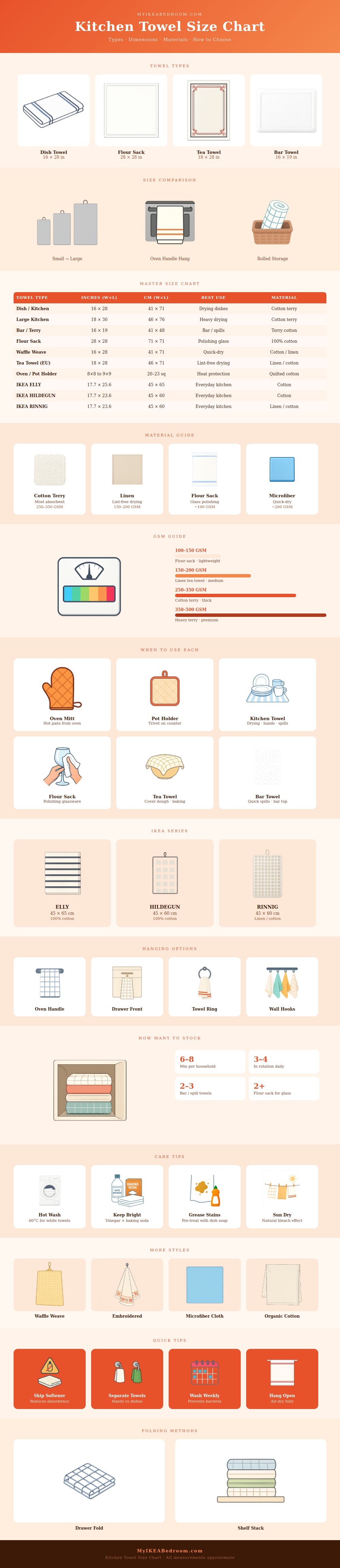
Kitchen towels is tools that individuals use in the kitchen to clean and dry different kitchen element. Kitchen towels must be selected based on several criteria, such as size, material, and function. Many people has experienced the frustration of using a kitchen towel that may be too small for the job to be done or too large to fit in the storage space in the kitchen.
It is essential to consider the function of the kitchen towel when buying it because using a kitchen towel of the wrong size will cause several problems in the kitchen. For example, a kitchen towel that is too large may lead to puddles of water on the kitchen floor, while a kitchen towel that is too small may leave lint on the glassware. Several type of kitchen towels exist, each serving a specific purpose in the kitchen.
How to Choose and Care for Kitchen Towels
A standard dish towel is slim and long and can be use for everyday tasks in the kitchen. Another type of kitchen towel is the flour sack towel, which is a square kitchen towel made of a thin weave and ideal for polishing kitchen elements without leaving streak on those elements. A bar towel is a compact kitchen towel used for quick wiping kitchen surfaces.
Tea towels are lint-free kitchen towels used for more delicate kitchen task, such as covering dough. Recognizing the different type of kitchen towels will allow individuals to purchase the appropriate kitchen towel for their kitchen needs. The size of kitchen towels is another essential consideration when buying kitchen towels.
Kitchen towels must match the size of the storage space for these towels. Using kitchen towels that are too wide for the storage space may make it difficult to fold them correctly into their storage space. Kitchen towels that are too short will slip off the handle of the sink or other element in the kitchen.
For example, bar towels may be too short to effective drape over the handle of an oven door; in contrast, a full-sized kitchen towel will effectively hang on the oven door. Hanging kitchen towels in kitchen towel rack allows these kitchen towels to dry between uses. Airflow in the kitchen towel racks will help keep the kitchen towels from developing musty smell.
Kitchen towels can also be folded into thirds to store in kitchen drawer space or rolled for storage in kitchen towel baskets to keep the kitchen organized. The material out of which individuals make kitchen towels determine the towel’s water absorption and drying time. Kitchen towels made of cotton terry absorb a significant amount of water, making these kitchen towels ideal for individuals who want to dry their kitchen dishes.
However, the cotton terry material may leave lint on the kitchen counter or other element. Using linen kitchen towels dries quick and does not leave streaks on the counters or other elements in the kitchen. Flour sack cotton kitchen towels are lightweight and ideal for polishing kitchen elements without leaving fuzz on those elements.
Finally, kitchen towels made of thick material that weighs between 250 and 350 grams per square meter hold more water but dry more later than lighter kitchen towels. Kitchen towels made of lighter materials dry quickly and are ideal for those who use kitchen towel dryer. Assigning kitchen towels to specific task will allow kitchen towels to perform their tasks effective.
Using flour sack kitchen towels to clean glassware will buff the glass to a shine without leaving residue behind. Using bar towels to wipe kitchen counters will efficiently remove the counter’s residue because bar towels are dense. Using tea towels in the kitchen for baking task will allow the tea towel to drape over kitchen bowls without sticking to the bowls.
Maintaining an adequate supply of kitchen towels is essential for the kitchen. Six to eight kitchen towels are the more sufficient amount for each individual. Using this amount will allow individuals to use some kitchen towels while others are being laundered.
Ensure that there are at least two flour sack kitchen towels if individuals intend to use them to polish glassware. Proper care of kitchen towels will allow them to perform their tasks effective. Kitchen towels should be washed in hot water to kill any bacteria that may have accumulated on the towels.
Using vinegar is an essential step in ensuring that white kitchen towels retain their brightness. Kitchen towels should never be treated with fabric softener because the fabric softener will coat the kitchen towel fibers and reduce their water absorbency. Hand towels and dish towels should be washed separately from other kitchen towels.
All kitchen towels should be washed once a week. Finally, kitchen towels should never be bundled together when wet because mildew will start to grow on the kitchen towels quick when bundled together.
