🪟 Roller Blind Fabric Calculator
Calculate exact cut width, drop length & total fabric yardage for any window
Unit System
Quick Presets
Blind Measurements
✅ Fabric Requirements
Tube Size Quick Reference
Up to 48 in wide
Circ: 1.26 in
48–72 in wide
Circ: 1.50 in
72–96 in wide
Circ: 1.77 in
96+ in wide
Circ: 2.48 in
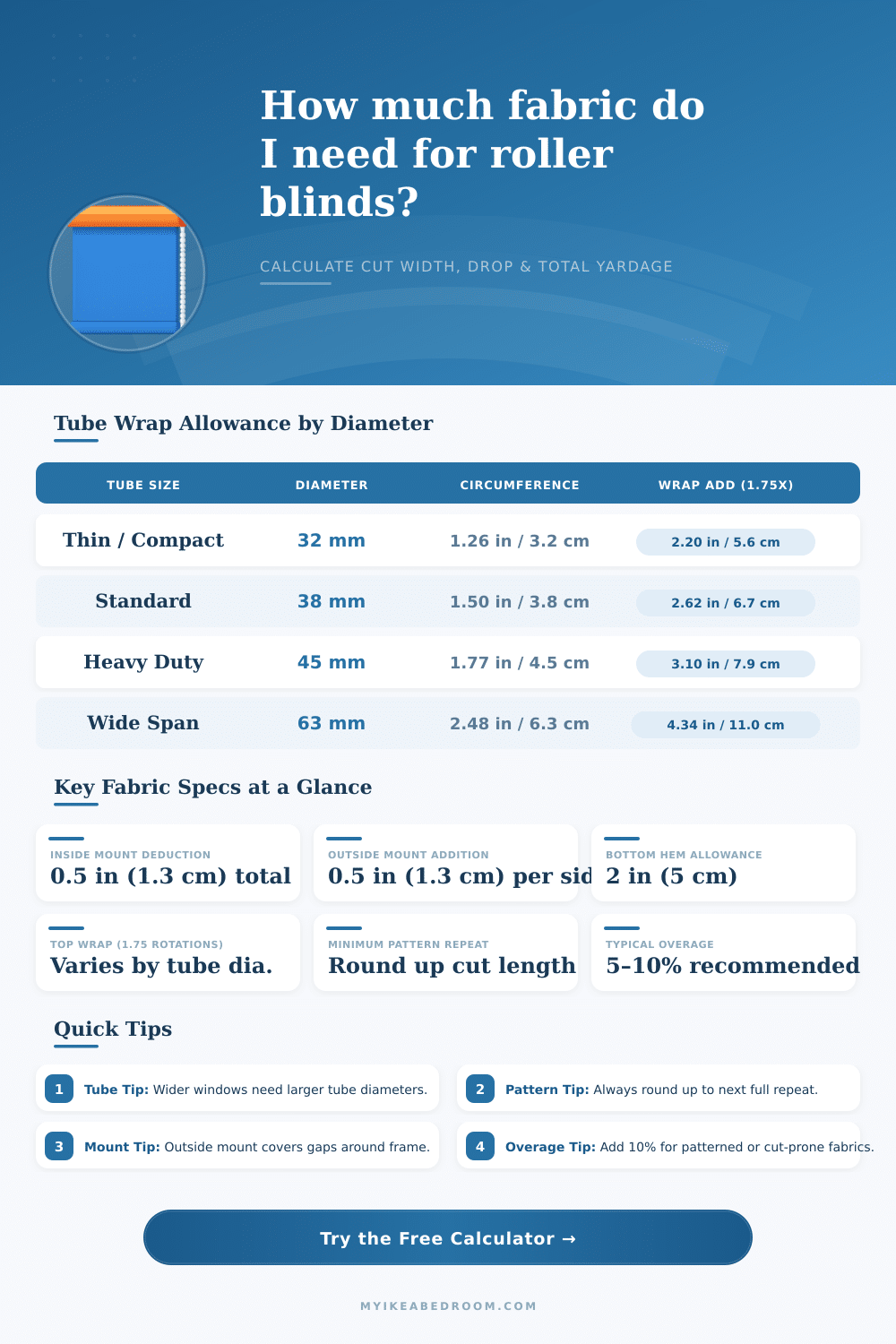
Table 1: Tube Wrap Allowance by Diameter
| Tube Label | Diameter | Circumference (in) | Circumference (cm) | Wrap Add at 1.75x (in) | Wrap Add at 1.75x (cm) |
|---|---|---|---|---|---|
| Compact / Thin | 32 mm | 1.26 in | 3.2 cm | 2.20 in | 5.6 cm |
| Standard | 38 mm | 1.50 in | 3.8 cm | 2.62 in | 6.7 cm |
| Heavy Duty | 45 mm | 1.77 in | 4.5 cm | 3.10 in | 7.9 cm |
| Wide Span | 63 mm | 2.48 in | 6.3 cm | 4.34 in | 11.0 cm |
Table 2: Width Deduction / Addition by Mount Type
| Mount Type | Width Adjustment (in) | Width Adjustment (cm) | Notes |
|---|---|---|---|
| Inside Mount | −0.5 in total | −1.3 cm total | Deduct from finished width for bracket clearance |
| Outside Mount | +1.0 in total | +2.5 cm total | Add 0.5 in (1.3 cm) per side for frame overlap return |
| Inside (tight fit) | −0.75 in total | −1.9 cm total | Use when recess is very snug or brackets are bulky |
| Outside (extended) | +2.0 in total | +5.1 cm total | Wider overlap for light block or decorative effect |
Table 3: Estimated Fabric Area by Window Size
| Window Size | Approx. Width (in) | Approx. Drop (in) | Est. Area (sq yd) | Est. Area (m²) |
|---|---|---|---|---|
| Small bathroom | 18 in | 36 in | 0.50 sq yd | 0.42 m² |
| Standard bedroom | 36 in | 60 in | 1.50 sq yd | 1.25 m² |
| Kitchen window | 42 in | 48 in | 1.40 sq yd | 1.17 m² |
| Living room medium | 54 in | 72 in | 2.70 sq yd | 2.26 m² |
| Wide blackout | 72 in | 84 in | 4.67 sq yd | 3.90 m² |
| Patio door span | 96 in | 96 in | 6.40 sq yd | 5.35 m² |
Roller blind fabric is simply a bit of fabric that winds around a cylindrical tube set at the top of the window. Using a spring or motor, the blind moves up and down. It sits in the top frame, either inside or outside of the window recess and you control it by a string bound to the bottom edge.
Those blinds do not serve only for looks. They help to rule the light, the temperature and the energy efficiency of the home. Roller shades filter the light and protect furniture against UV rays, yet allow you to see out, everything in a simple design.
Types of roller blind fabric and how to replace it
These roller shades are made of a single layer of material, that gives privacy by means of various levels of darkness, from blackout until sheer.
The material must be rigid to roll correctly. Not every fabric works for that. Common roller blinds use regular fabric with a stiffener so that they stay straight.
Polyester is the most popular choice because of its durablity and price. For commercial places, PVC-coated fiberglass is better to block heat and ensure fire safety. If you want a more elegant look, faux silk also operates superbly.
There are also modern technological fabrics to control the sun or isolate heat, for instance materials from polyester or fiberglass with PVC, PA or PU covering. You can find also fire-resistant or sun-reflective variants. For slimmer and airier effects, voile fabrics from polyester, cotton or a mix allow the light to enter nicely.
Another option for a nice look is vinyl mesh fabric in bright colours. This kind of roller blind creates a light feeling, while it removes unnecessary glares. On the other hand, blackout fabric entirely blocks the light, which is ideal for bedrooms or places where full privacy is necessary.
You can also substitute the old fabric. You must measure the width of the old bit and then order new material online. It is better to order the length some inches longer than the window, to ensure that it reaches the sill.
Some folks use fabric glue spray for binding the new material to the old roller. Others prefer to clamp and stick the fabric to plain rollers. The most difficult part is setting the fabric to the upper tube.
Using glue and an iron can help create straight edges at the top and bottom while you hem the material.